
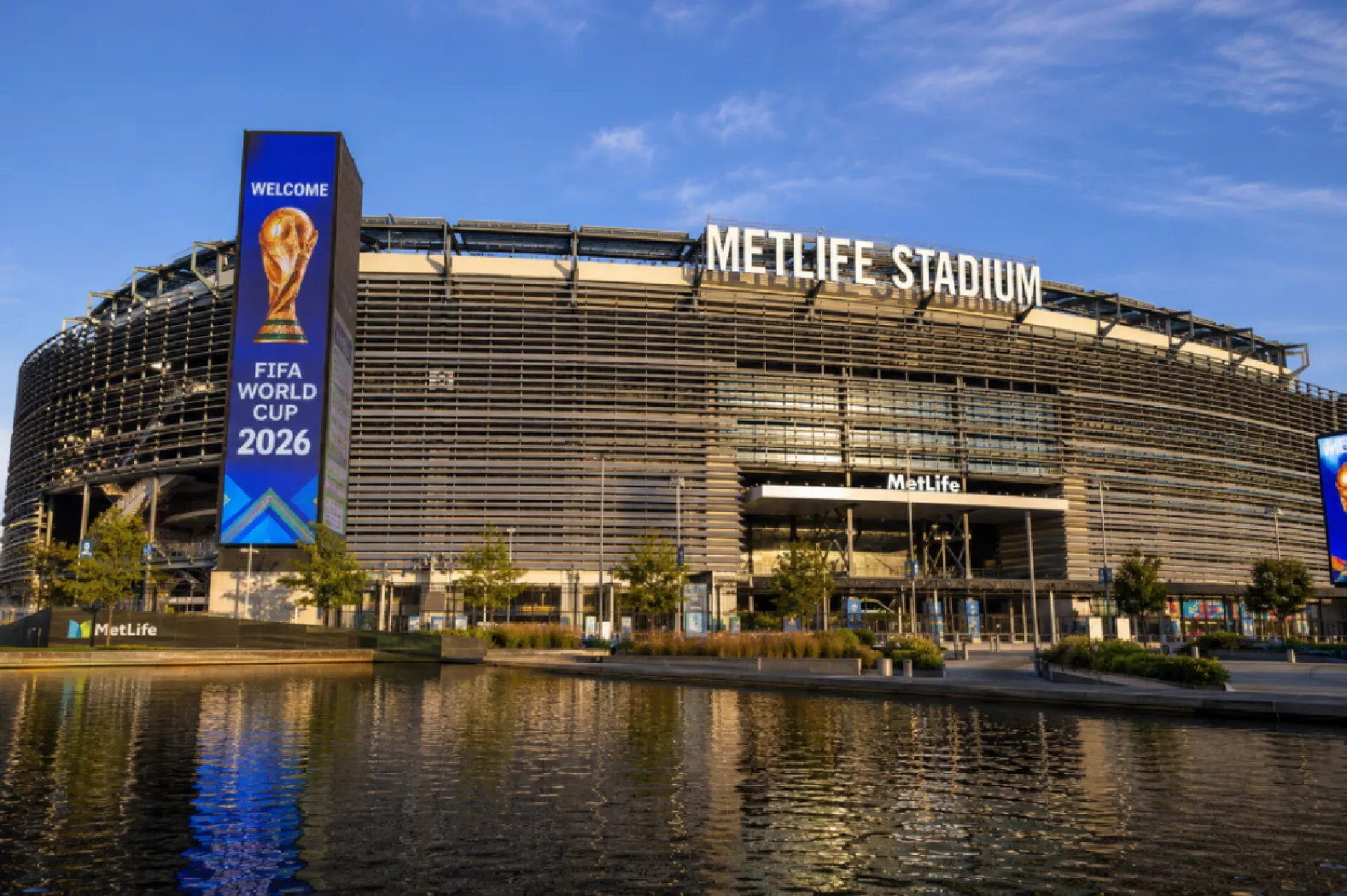
The FIFA World Cup 2026 is the most ambitious edition in history: 48 teams, 104 matches, 16 stadiums across Canada, Mexico and the United States. Beyond the sporting spectacle, these venues are a global technological showcase for LED video display in stadiums. Giant screens, LED fascia boards, video cube jumbotrons, pitch-side towers — equipment manufacturers are pushing the boundaries. Stramatel, a French specialist in sports electronic display for over 40 years, takes you on a tour of these cathedrals of modern football.
The 4 LED Video Displays That Make a Great Football Stadium
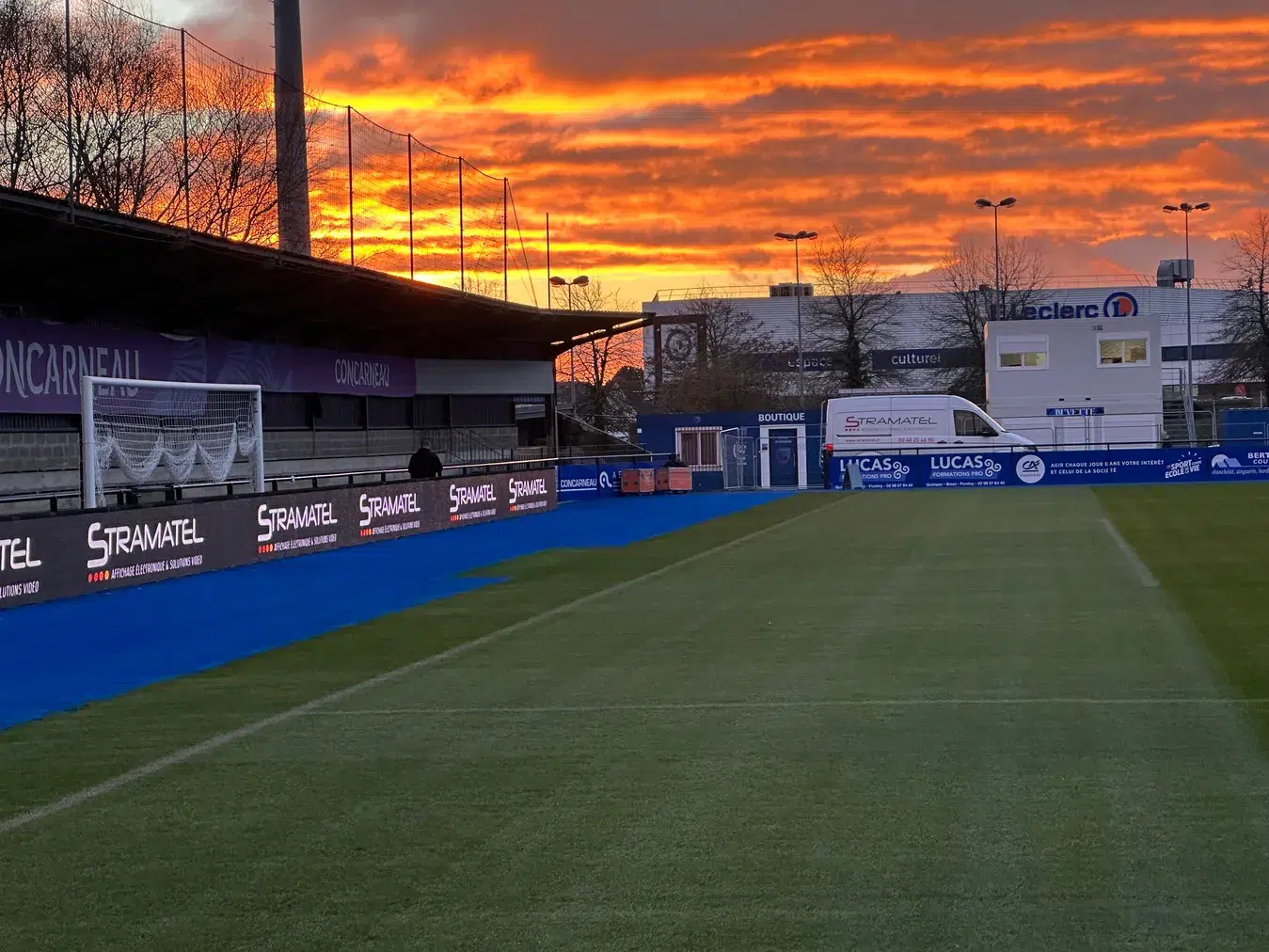
The stadiums of the 2026 World Cup prove it brilliantly: the spectator experience is not just about sport. It is built with the right display equipment. For over 40 years, Stramatel has supported clubs, federations and local authorities in their sports electronic display projects. Here are the four pillars of any successful LED video installation in a football stadium.
1. The Giant LED Video Screen
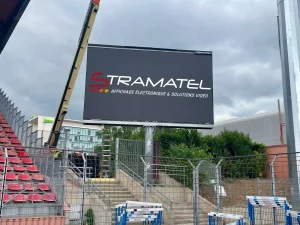
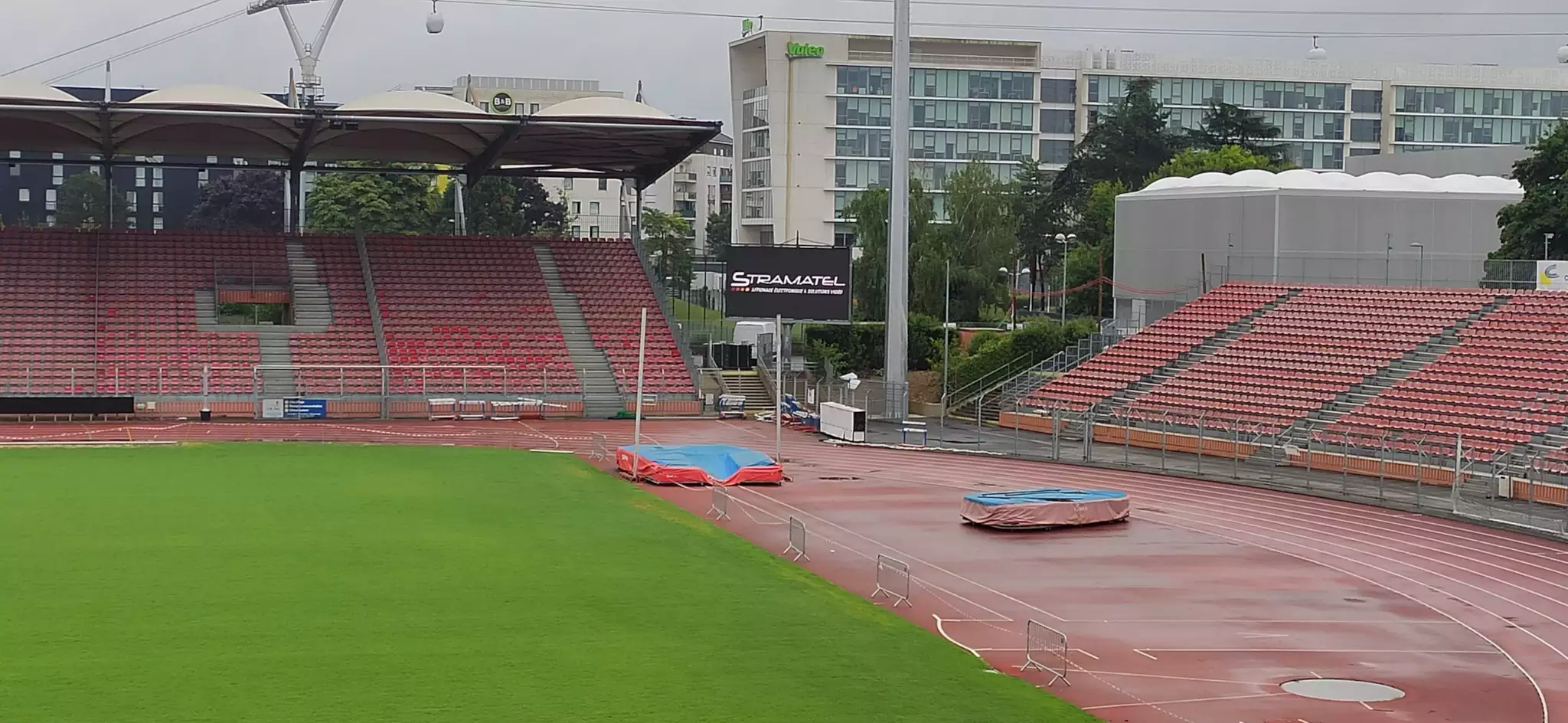
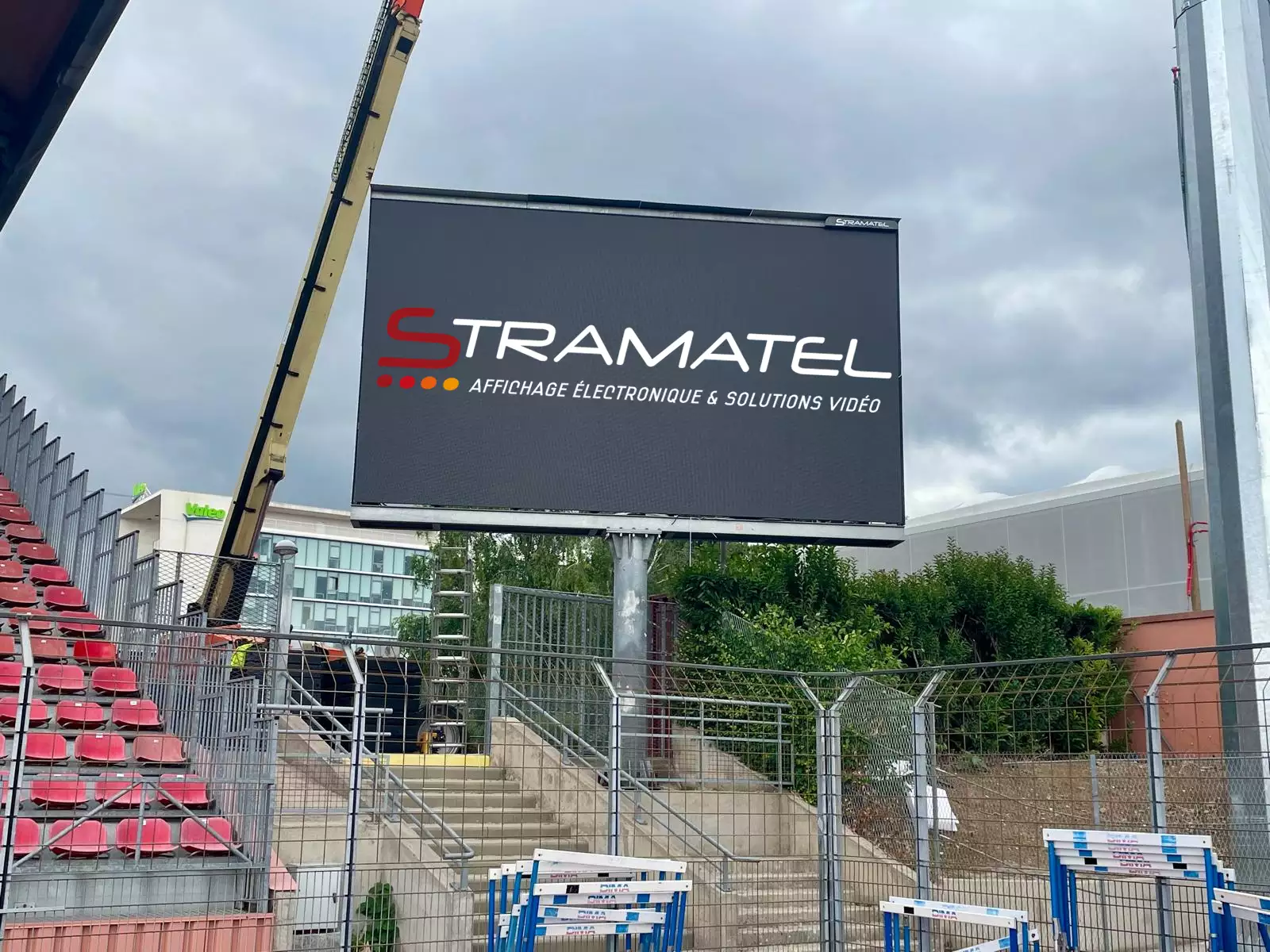
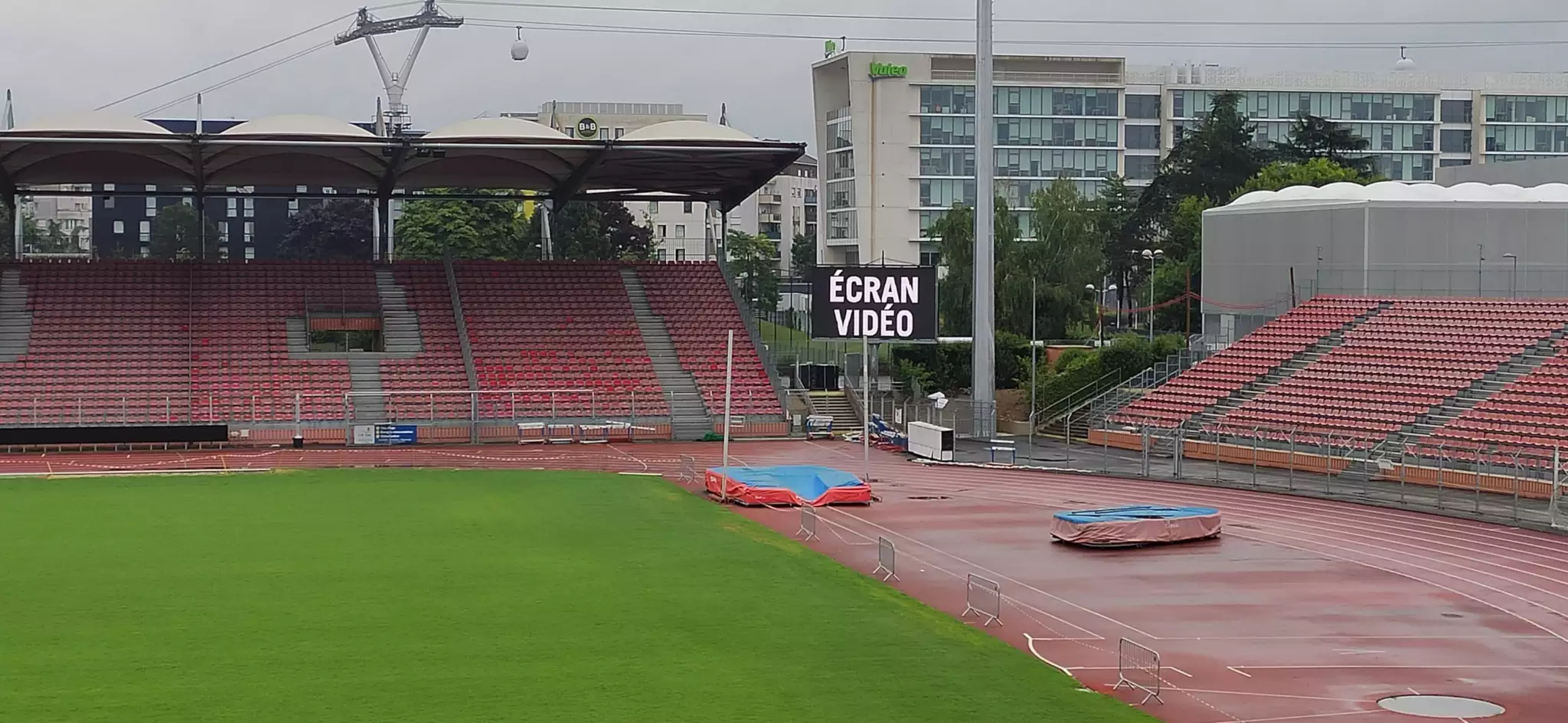
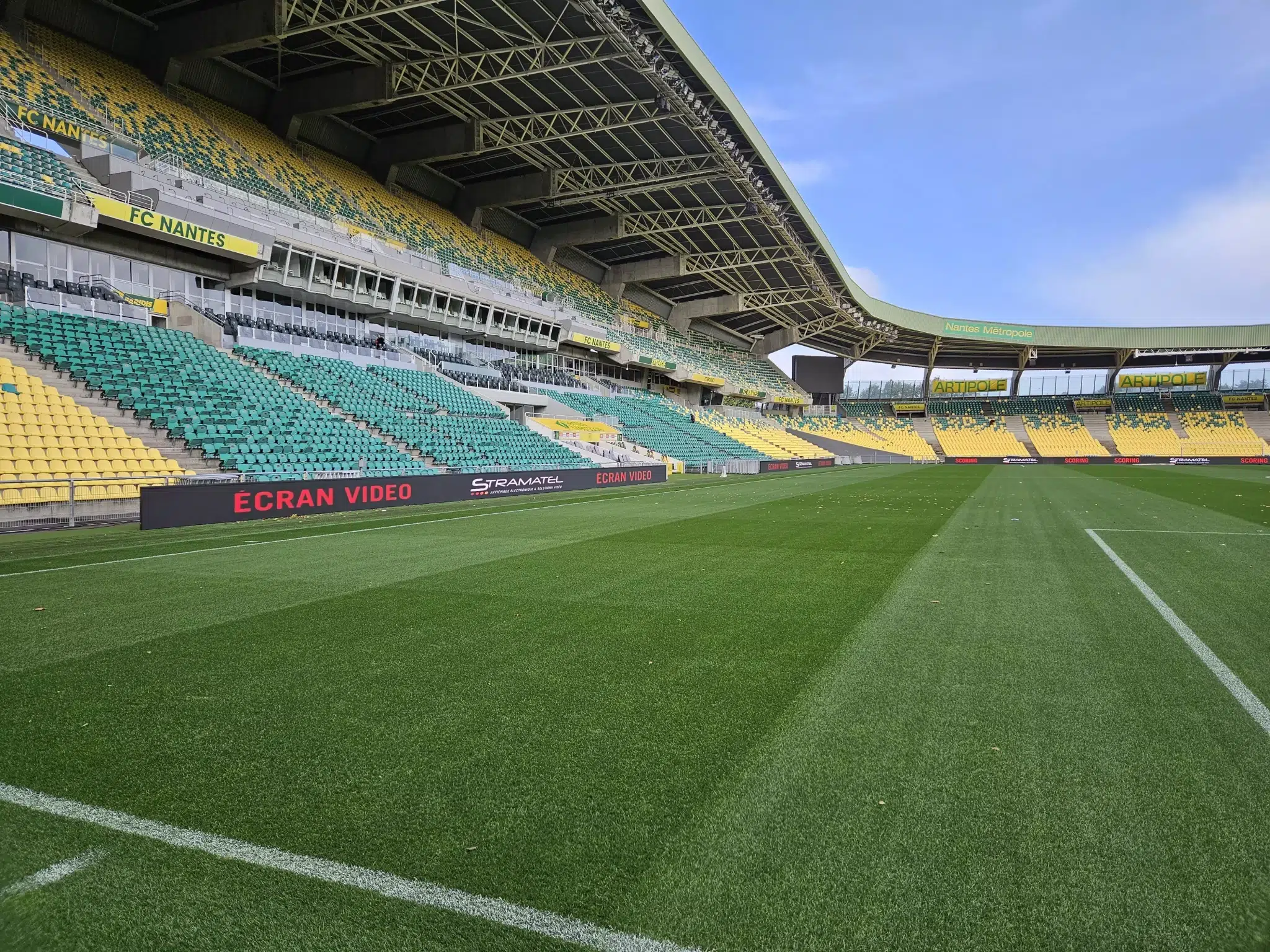
Positioned at the back of a stand or in the corners of the pitch, the giant LED screen is the primary display device. It broadcasts live footage, replays, statistics and animations. Each installation is the subject of a personalised study: pixel pitch adapted to the viewing distance, brightness calibrated for outdoor conditions, viewing angle optimised according to the stadium’s architecture.
2. The LED Video Fascia (Ribbon Board)
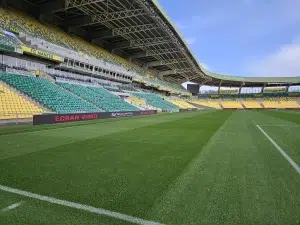
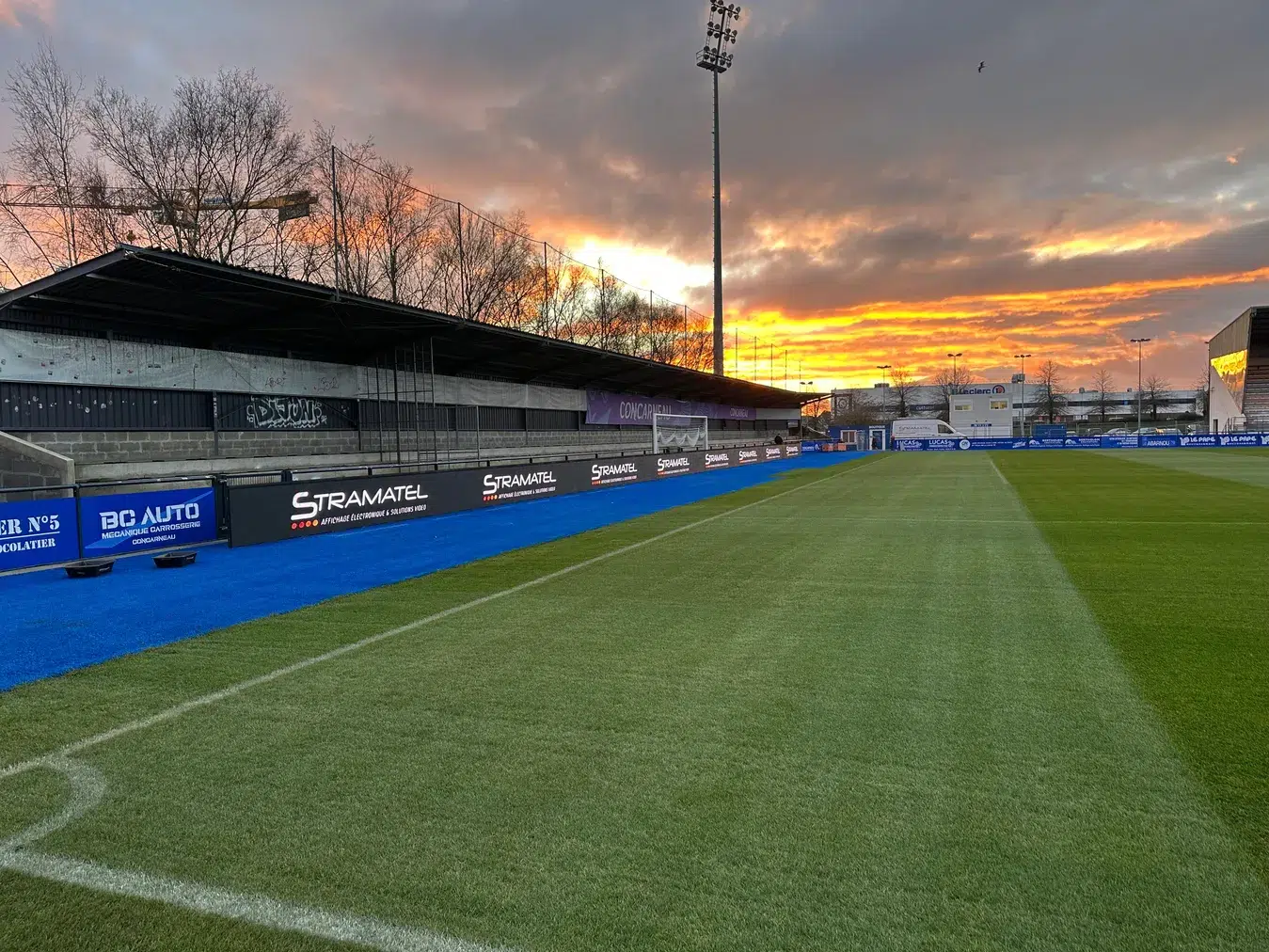
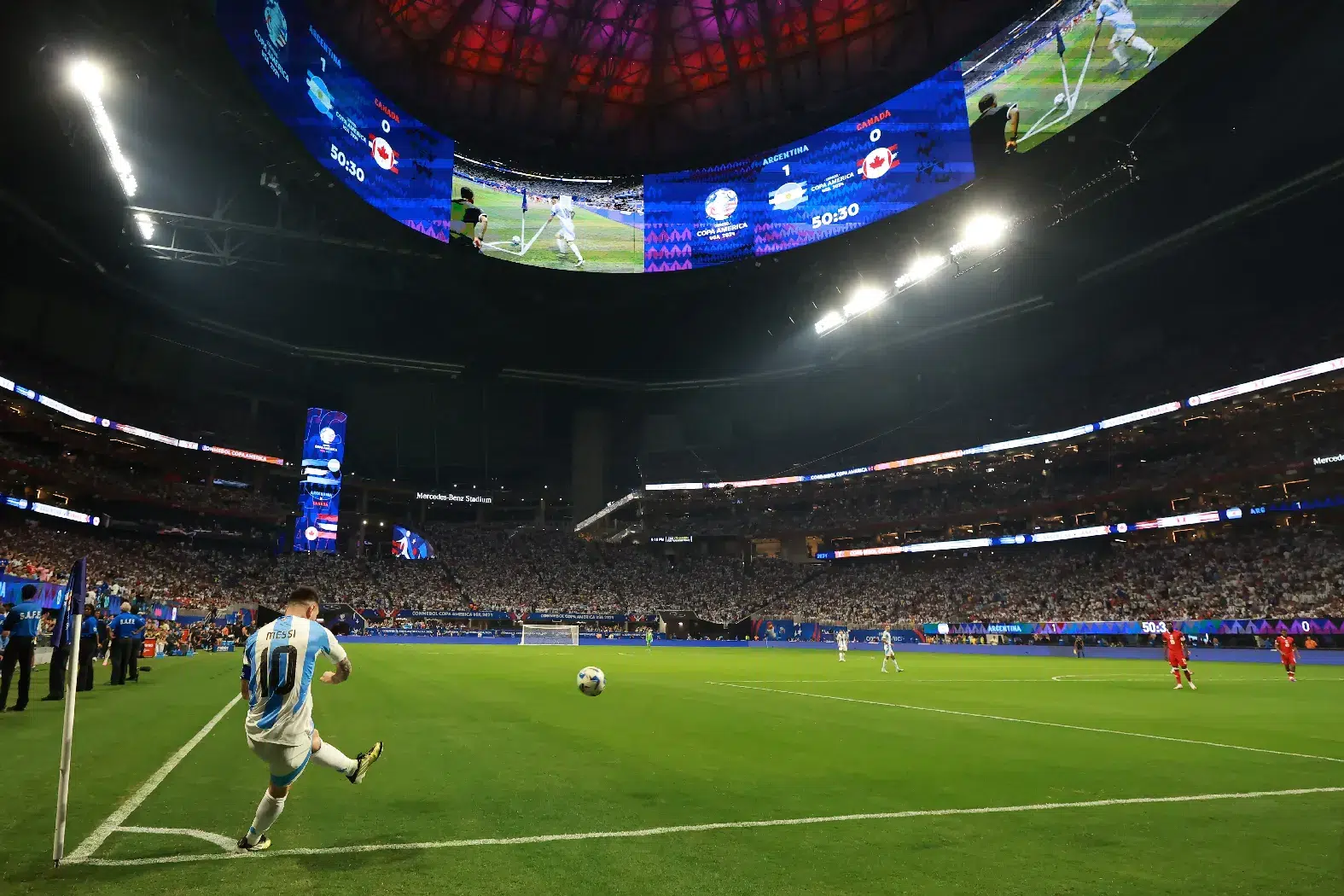
The LED fascia is a continuous peripheral banner, integrated between stand levels or under the roof. It continuously broadcasts scores, messages, advertising and animations — no blind spots, perfect readability for every spectator. Present in all the major FIFA 2026 stadiums, it can take the form of a simple ribbon board or a 360° crown like the Halo Board in Atlanta.
3. The Pitch-Side LED Video Tower
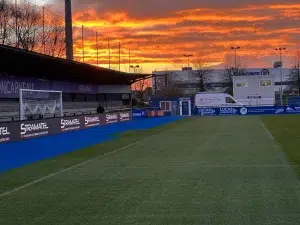
A modular and flexible solution, the pitch-side LED tower is ideal for stadiums in intermediate configurations or touring events. It can be installed without major structural work, moved and adapted to any layout. It is the most accessible solution for clubs wishing to equip themselves with professional video display without architectural constraints.
4. The LED Video Cube (Jumbotron)
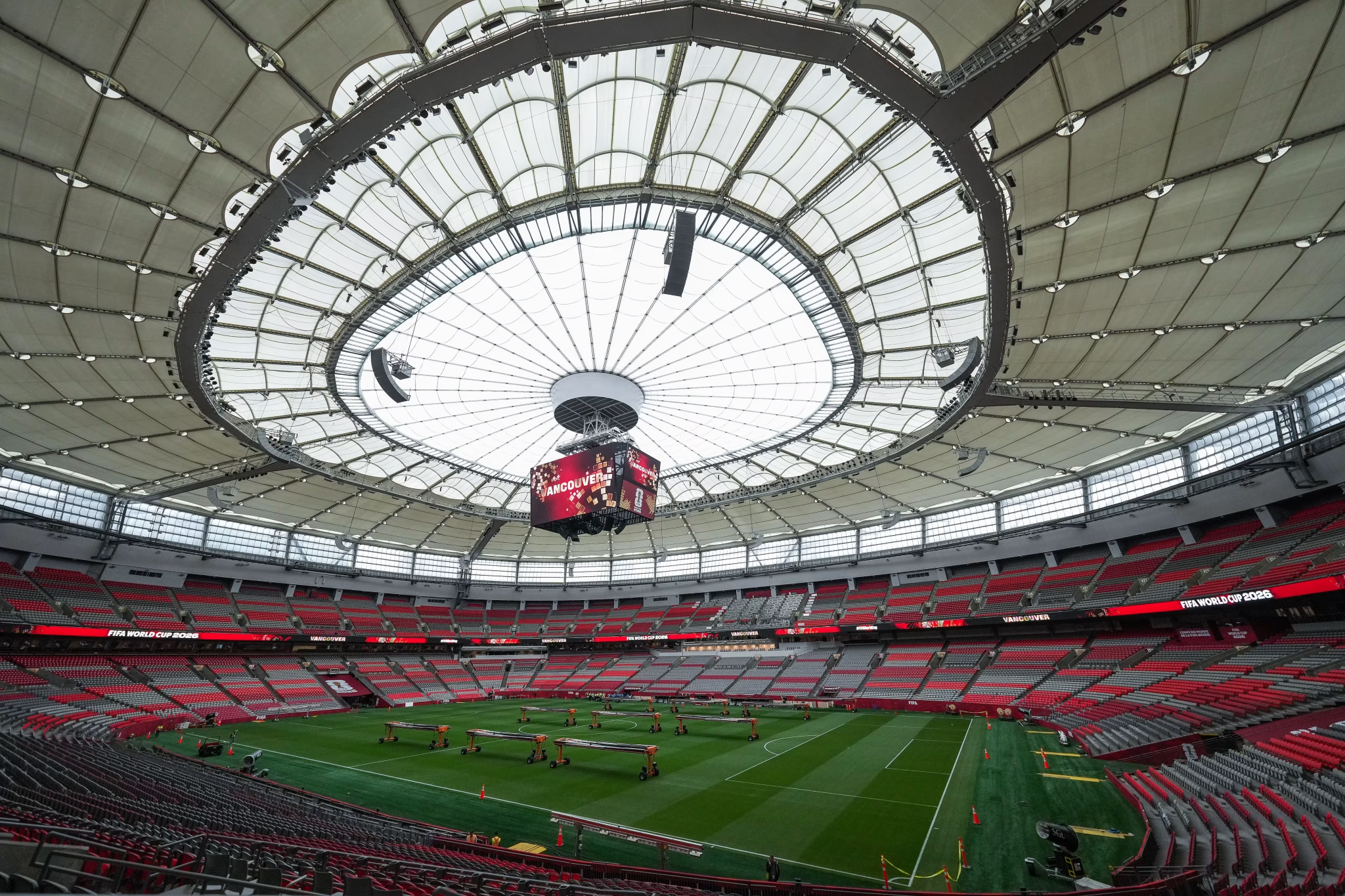
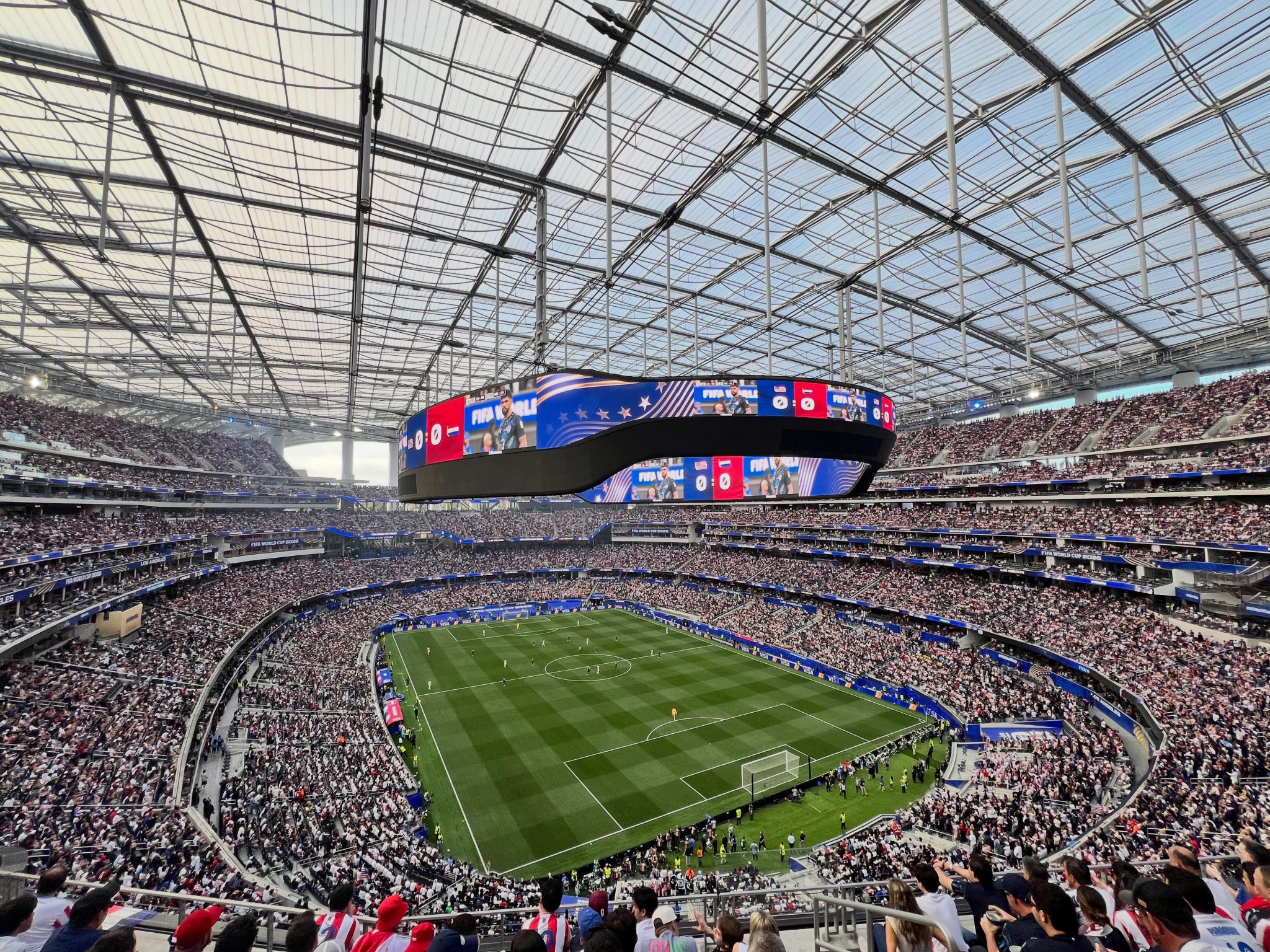
Suspended above the pitch in covered or semi-covered stadiums, the LED video cube broadcasts the action from every angle simultaneously. It is the technological star of BC Place (Vancouver) and SoFi Stadium (Los Angeles). A spectacular installation that transforms every match into an immersive event.
Mexico Opens the Show: Three Iconic Renovated Stadiums
Mexico makes history as the only country to have hosted the World Cup three times (1970, 1986, 2026). All three venues underwent targeted works to meet FIFA requirements for LED video display and the spectator experience.
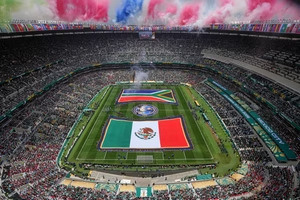
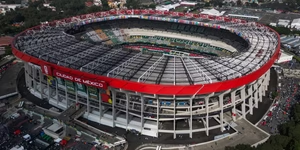
Mexico City Stadium (Estadio Azteca) — 87,000 seats
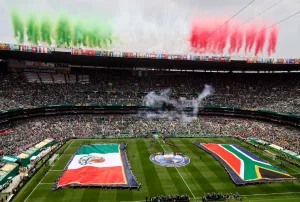
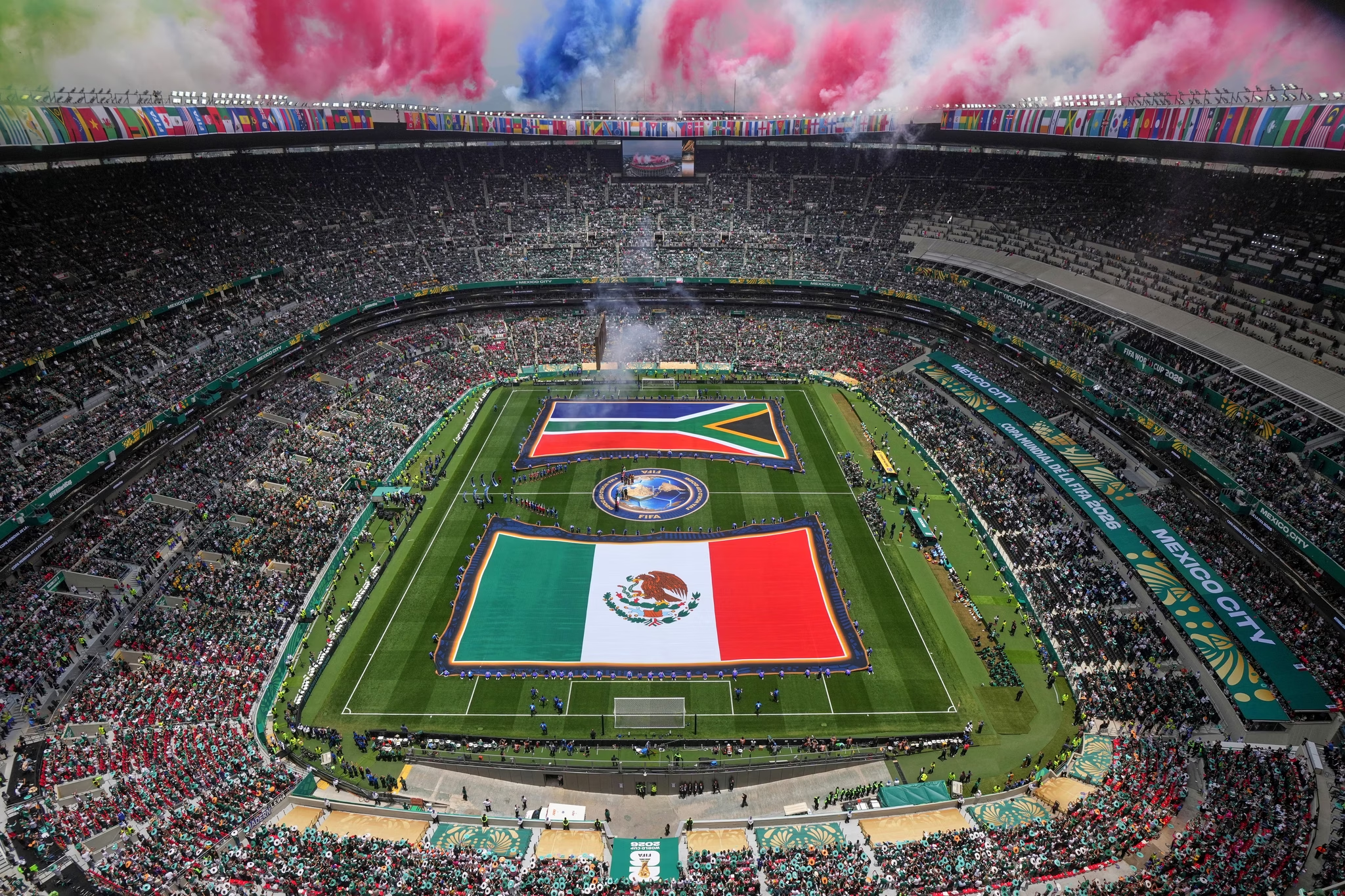
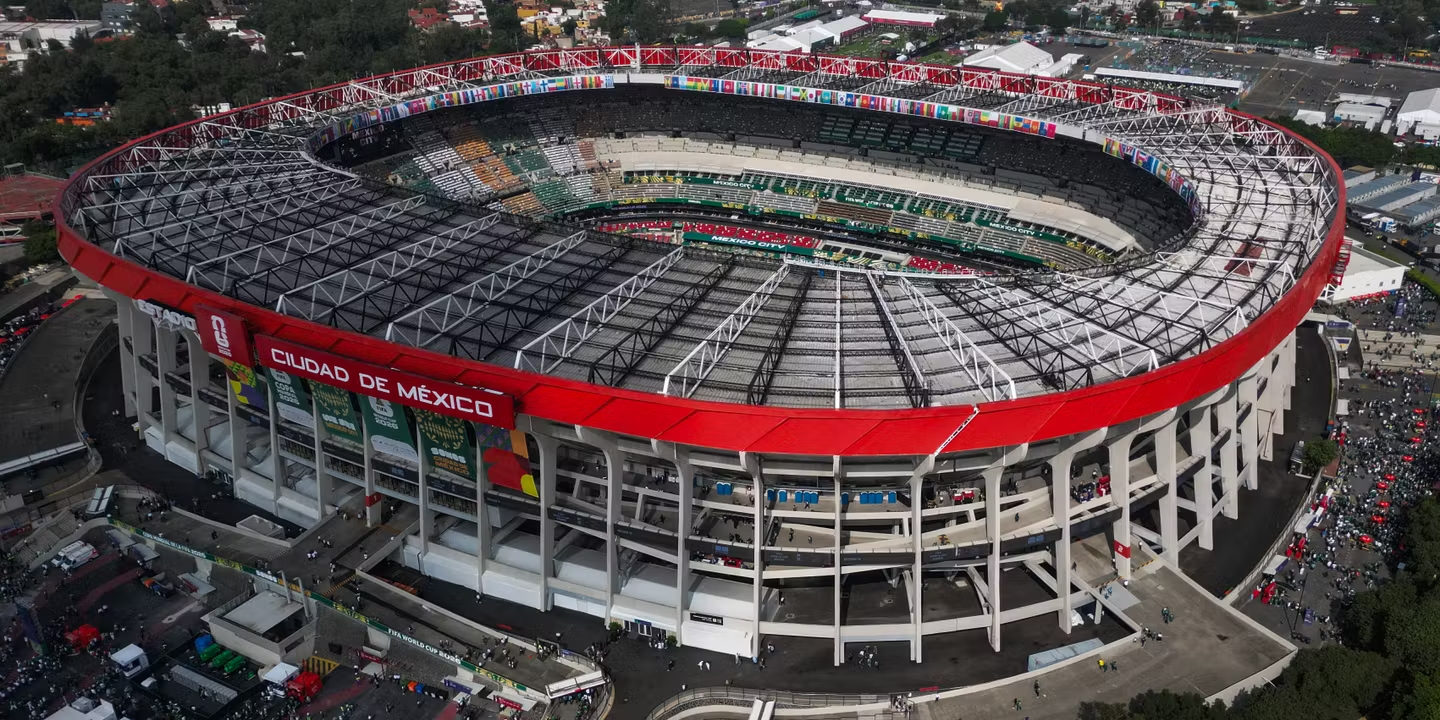
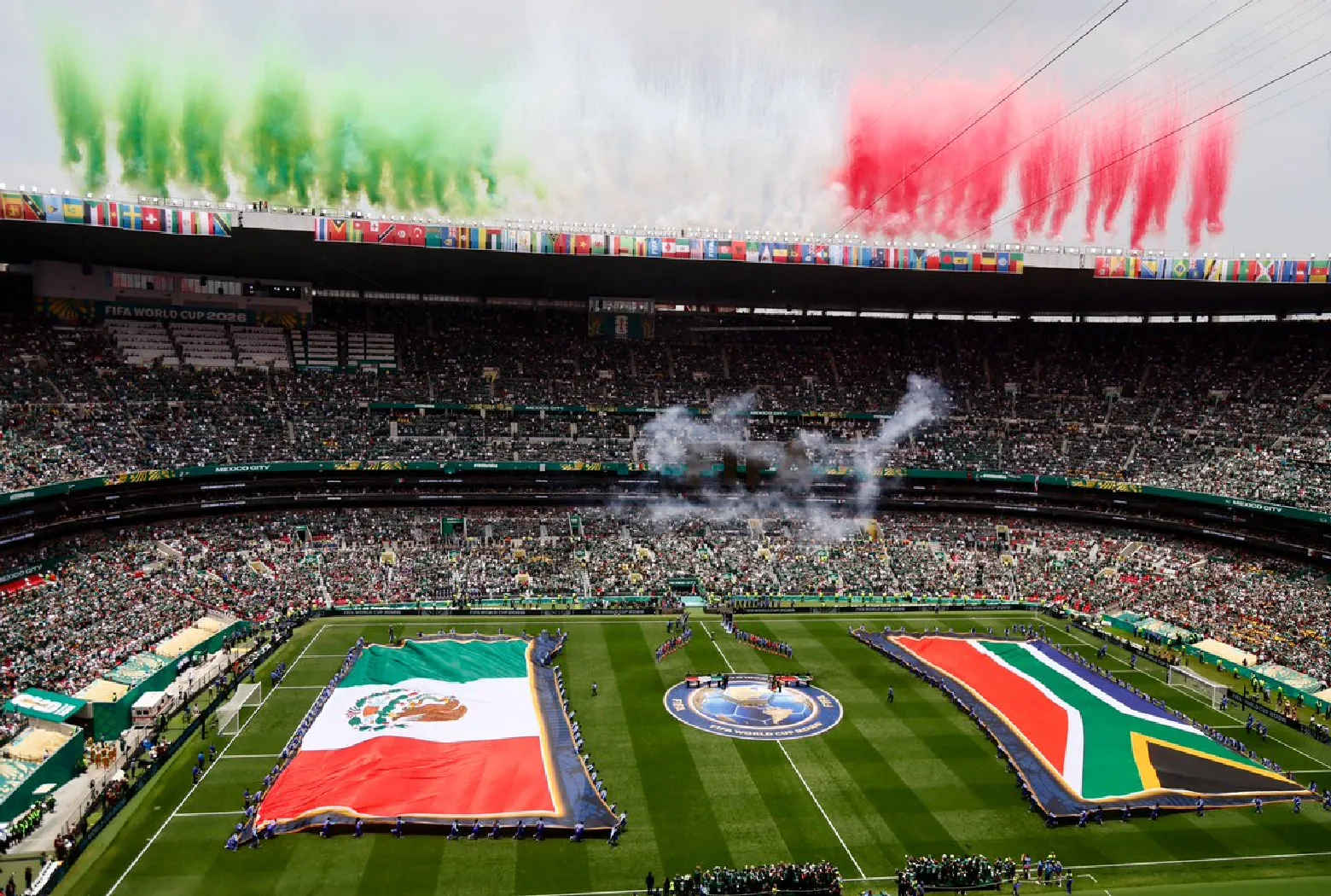
The Estadio Azteca, renamed Mexico City Stadium for the tournament, opened the competition on 11 June 2026. It is the most history-laden stadium of this World Cup: two finals (1970, 1986), the Hand of God goal, and now a third World Cup. To be worthy of the occasion, it underwent a renovation estimated at $300 million.
In terms of display, the transformation is spectacular: over 2,200 m² of 4K LED video panels were deployed across the stands, complemented by exterior LED banners integrated onto the stadium’s characteristic concrete pillars and beams. All seats were replaced, the hybrid pitch was renovated, and new VIP areas were created.
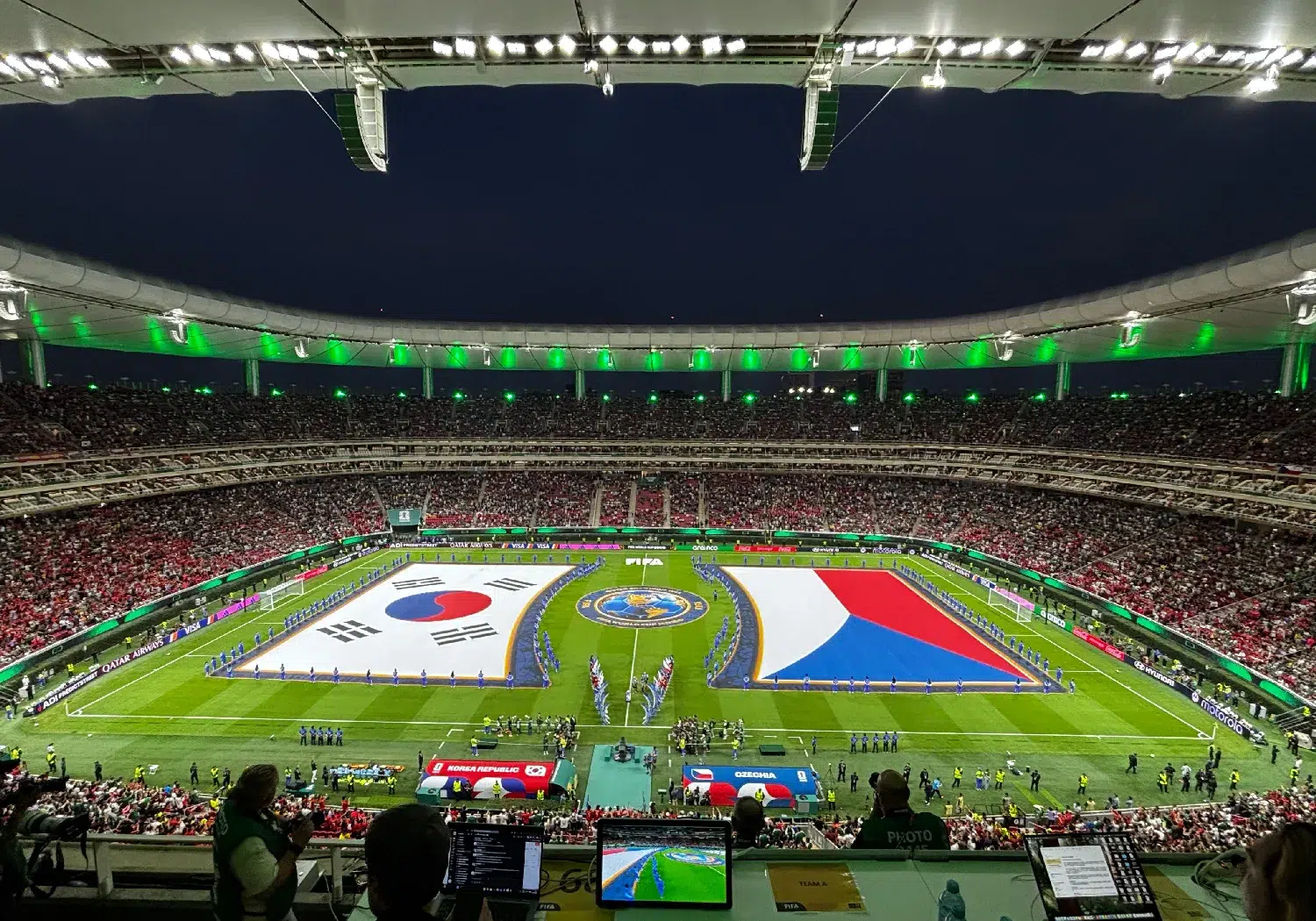
Guadalajara Stadium (Estadio Akron) — 44,330 seats
Home of CD Guadalajara (the Chivas), the Estadio Akron is instantly recognisable for its volcano-shaped silhouette. For 2026, the venue was fitted with new LED video panels and a completely renewed audio system. The Uruguay–Spain match is scheduled as the group stage showpiece.
Monterrey Stadium (Estadio BBVA) — 50,113 seats
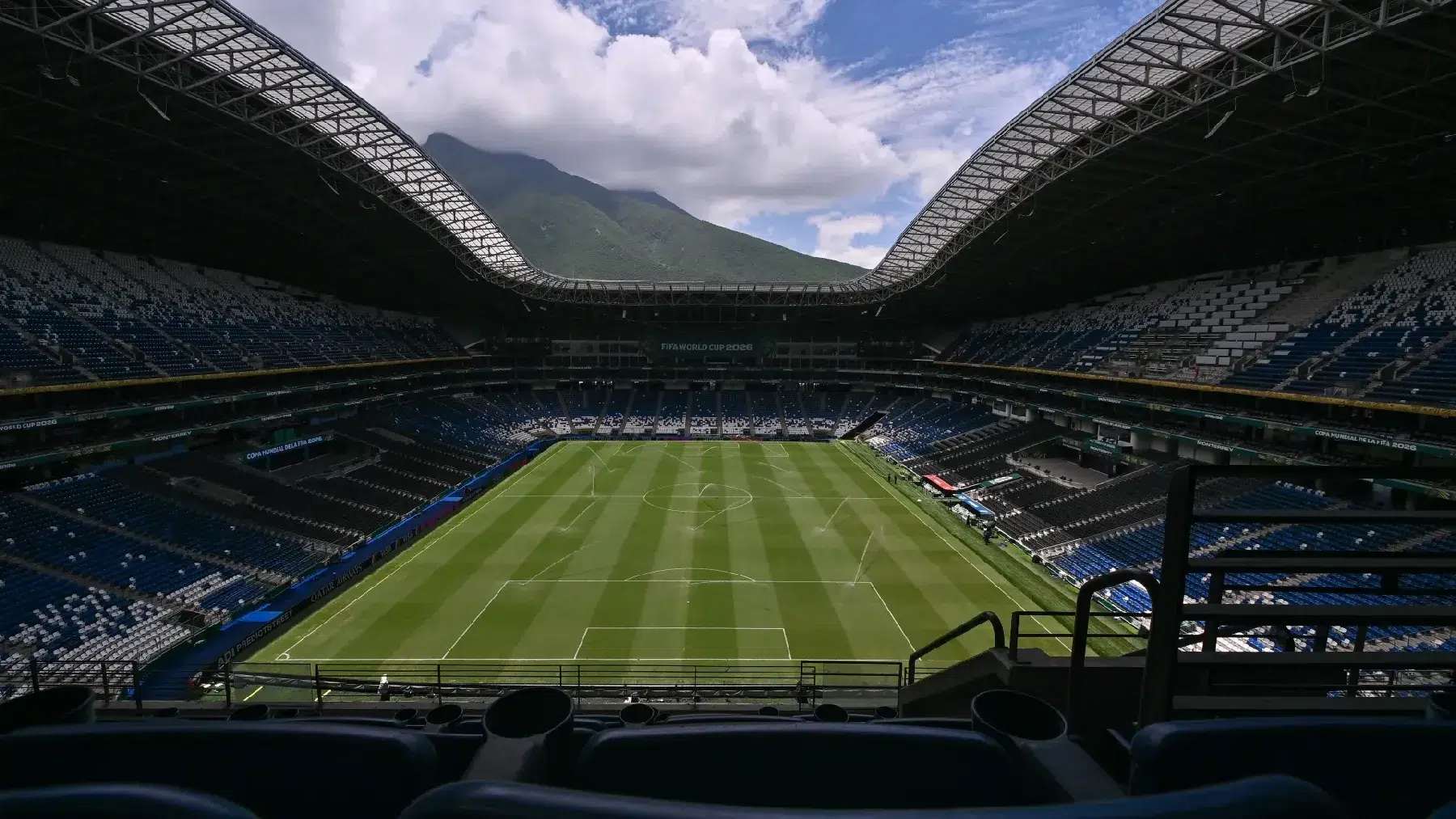
Inaugurated in 2015, the Estadio BBVA is the most recent and modern of the three Mexican stadiums. Its original design already incorporated high-performance LED video equipment. Only a switch to a natural grass pitch was needed to meet FIFA 2026 standards — proof that a well-designed stadium from the outset dramatically reduces renovation costs.
Canada Hosts the World Cup for the First Time
It is a historic first: Canada is hosting men’s World Cup matches for the very first time. Its two stadiums offer very different — and complementary — approaches to LED video display technology.
Toronto Stadium (BMO Field) — 45,000 seats
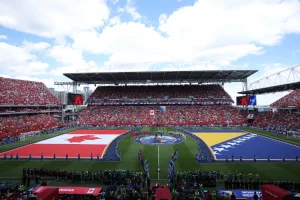
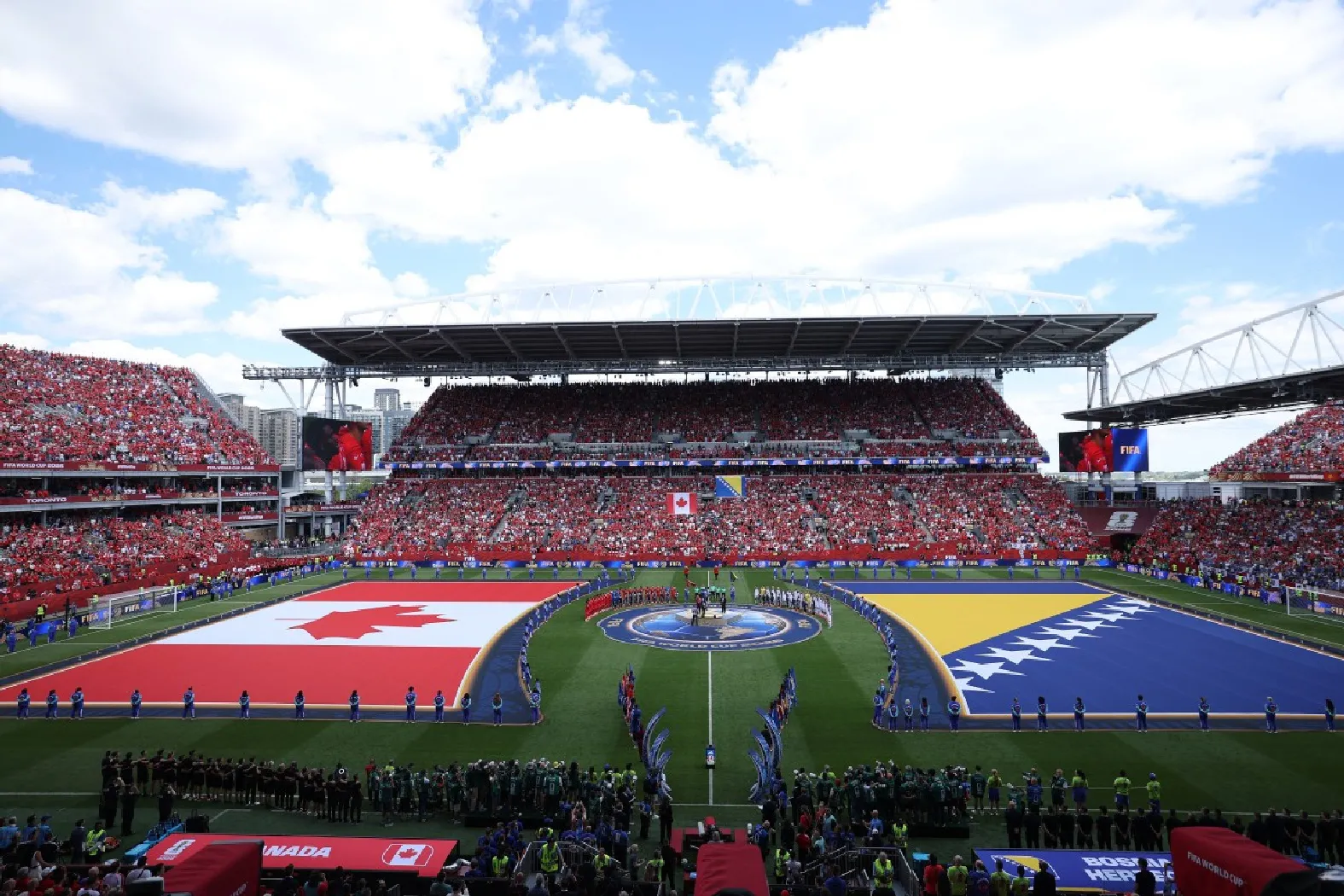
Originally a 28,000-seat venue, BMO Field is the smallest permanent stadium in the competition. Its CA$157.9 million renovation transformed it completely: 17,000 temporary seats added (north and south stands), and above all the installation of four corner LED screens with over 5 million pixels each, an international broadcast infrastructure, a new audio system and perimetric LED fascia boards between stand levels.
The result? Unique proximity to the pitch — one of the organisation’s key selling points — and guaranteed visual immersion for all 45,000 spectators, wherever they are seated in the stadium.
💡 Stramatel’s take: The Toronto Stadium configuration — LED fascia boards between stands + high-resolution corner screens — is exactly the type of installation Stramatel delivers for clubs and local authorities. A proven, effective solution, scalable to any venue size.
Vancouver Stadium (BC Place) — 54,500 seats
BC Place is one of the world’s largest retractable-roof stadiums. Its architecture is defined by a suspended central video cube — a giant jumbotron hovering above the pitch — the venue’s true technological heart. For 2026, video systems were upgraded and a natural grass pitch installed to meet FIFA standards.
💡 Stramatel’s take: Suspended LED video cubes in covered stadium or arena configurations are a Stramatel speciality. From feasibility study to installation, our teams manage these complex projects end to end.
The United States: 11 Stadiums, an Unprecedented Technological Leap
With 11 host stadiums — including the Final on 19 July 2026 — the United States form the technological heart of this World Cup. From the largest LED screen in history to the 360° circular fascia board, every venue pushes video display standards a little further.
Overview: The 11 American Stadiums
| Stadium (FIFA 2026 name) | City | Capacity | Notable LED video equipment |
|---|---|---|---|
| New York NJ Stadium (MetLife) | East Rutherford, NJ | 82,500 | HD side screens, LED fascias FINAL |
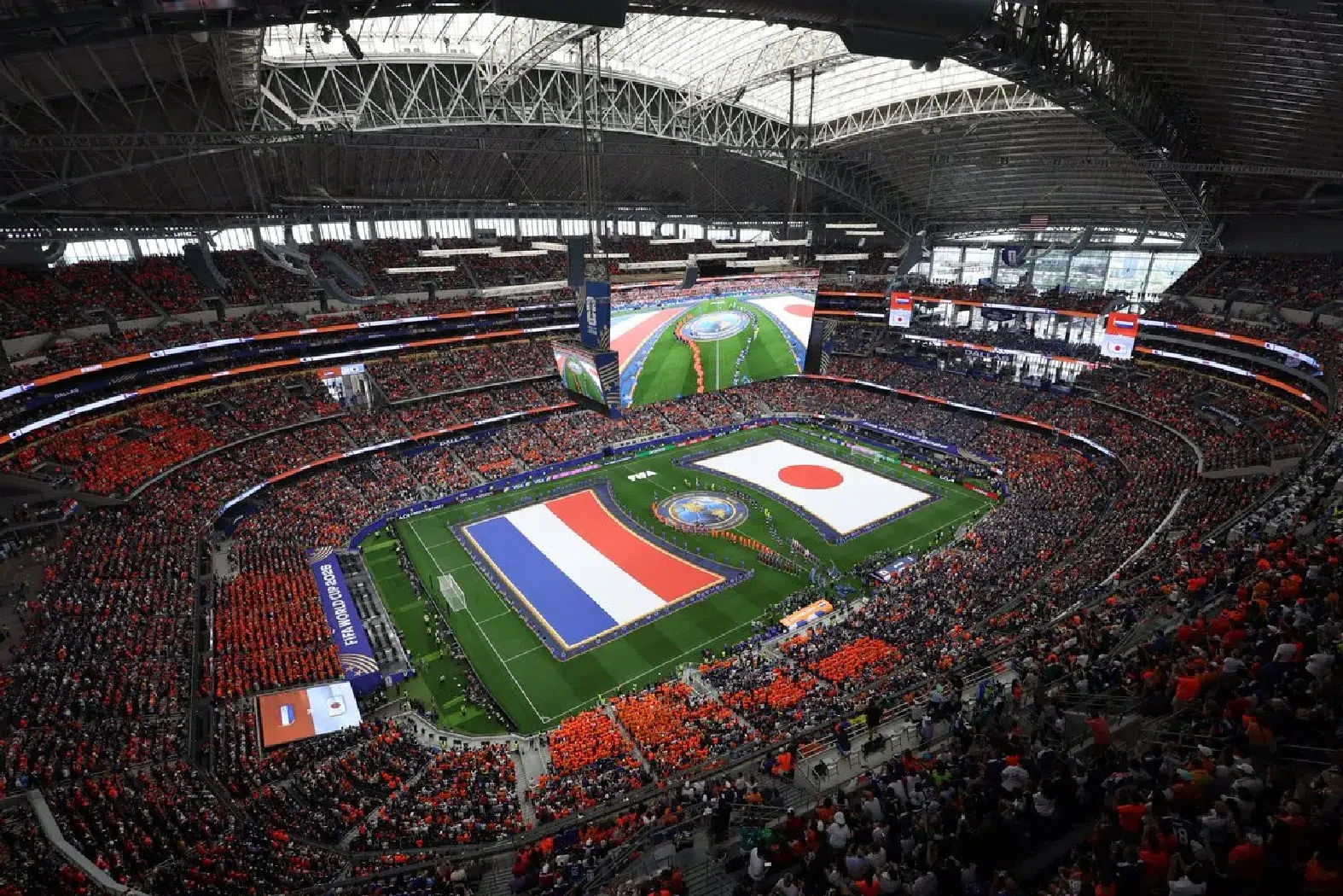
| Dallas Stadium (AT&T) | Arlington, TX | 92,967 | 4 suspended screens (~4,000 m² total), $350M renovation |
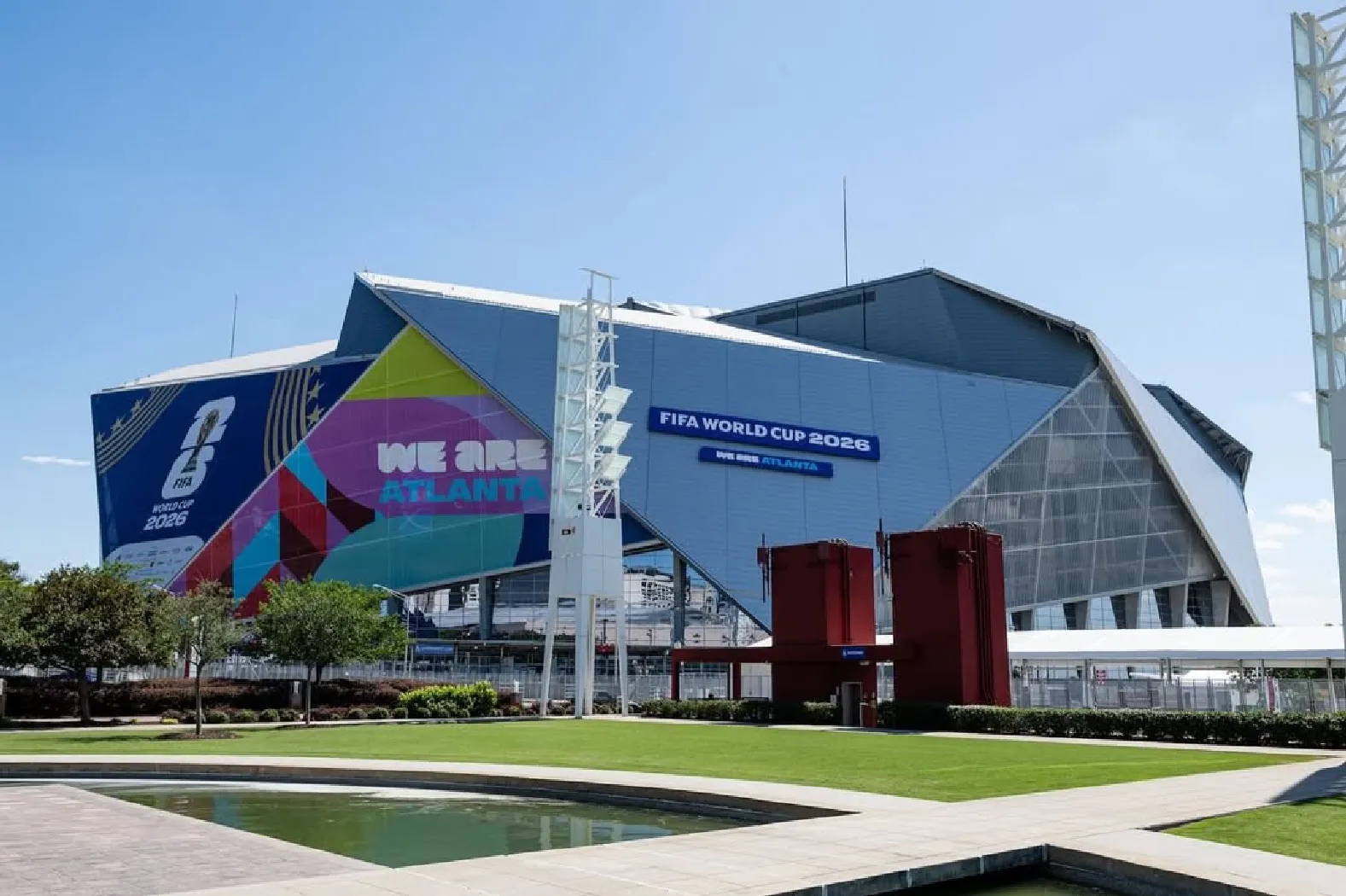
| Atlanta Stadium (Mercedes-Benz) | Atlanta, GA | 67,000–75,000 | Halo Board 360° — circular LED fascia, retractable roof |
| Boston Stadium (Gillette) | Foxborough, MA | 63,815 | Largest outdoor HD curved screen in the USA (~2,000 m²) |
| Houston Stadium (NRG) | Houston, TX | 68,311 | 4-sided HD screens, LED fascias, retractable roof |
| Kansas City Stadium (Arrowhead) | Kansas City, MO | 67,513 | Suspended central screens, LED fascias |
| Los Angeles Stadium (SoFi) | Inglewood, CA | 70,000 | Infinity Screen: 6,500 m², 80M pixels 4K HDR — world record |
| Miami Stadium (Hard Rock) | Miami Gardens, FL | 65,000 | 4 HD screens + 2,000 distributed flat monitors |
| Philadelphia Stadium (Lincoln Financial) | Philadelphia, PA | 69,796 | Renovated high-resolution HD screens |
| San Francisco Stadium (Levi’s) | Santa Clara, CA | 68,500 | High-performance LED panels + eco certification |
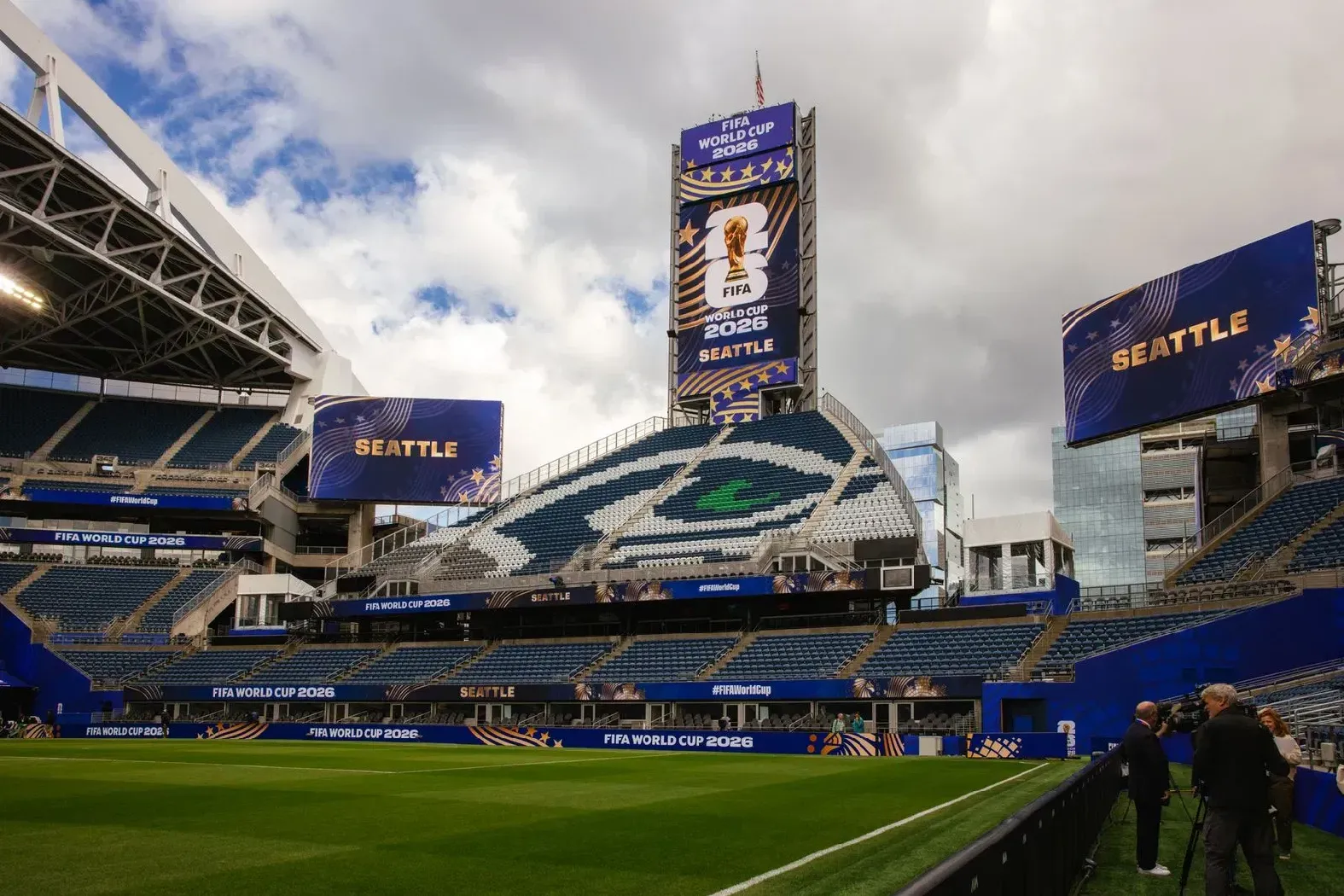
| Seattle Stadium (Lumen Field) | Seattle, WA | 68,740 | HD screens, LED fascias, $19.4M modernisation (2025) |
Los Angeles Stadium (SoFi) — The World’s Largest LED Screen
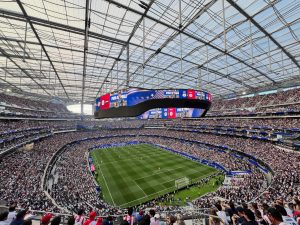
If one stadium sums up the LED video revolution on its own, it is SoFi Stadium. Its Infinity Screen is simply the largest stadium screen in the world: an oval structure suspended 37 metres above the pitch, measuring over 6,500 m² (70,000 sq ft), displaying 80 million pixels in 4K HDR. Double-sided, it is visible both from the stands and from outside the stadium.
Atlanta Stadium (Mercedes-Benz) — The Halo Board: King of LED Fascias
Mercedes-Benz Stadium in Atlanta has redefined what an LED fascia board can be. Its Halo Board 360° is a circular LED crown 58 feet tall and 1,100 feet in circumference, suspended inside the 8-panel retractable roof. Wherever you are in the stadium, you have a perfect view of the display. It is also the first professional North American stadium to achieve LEED Platinum certification.
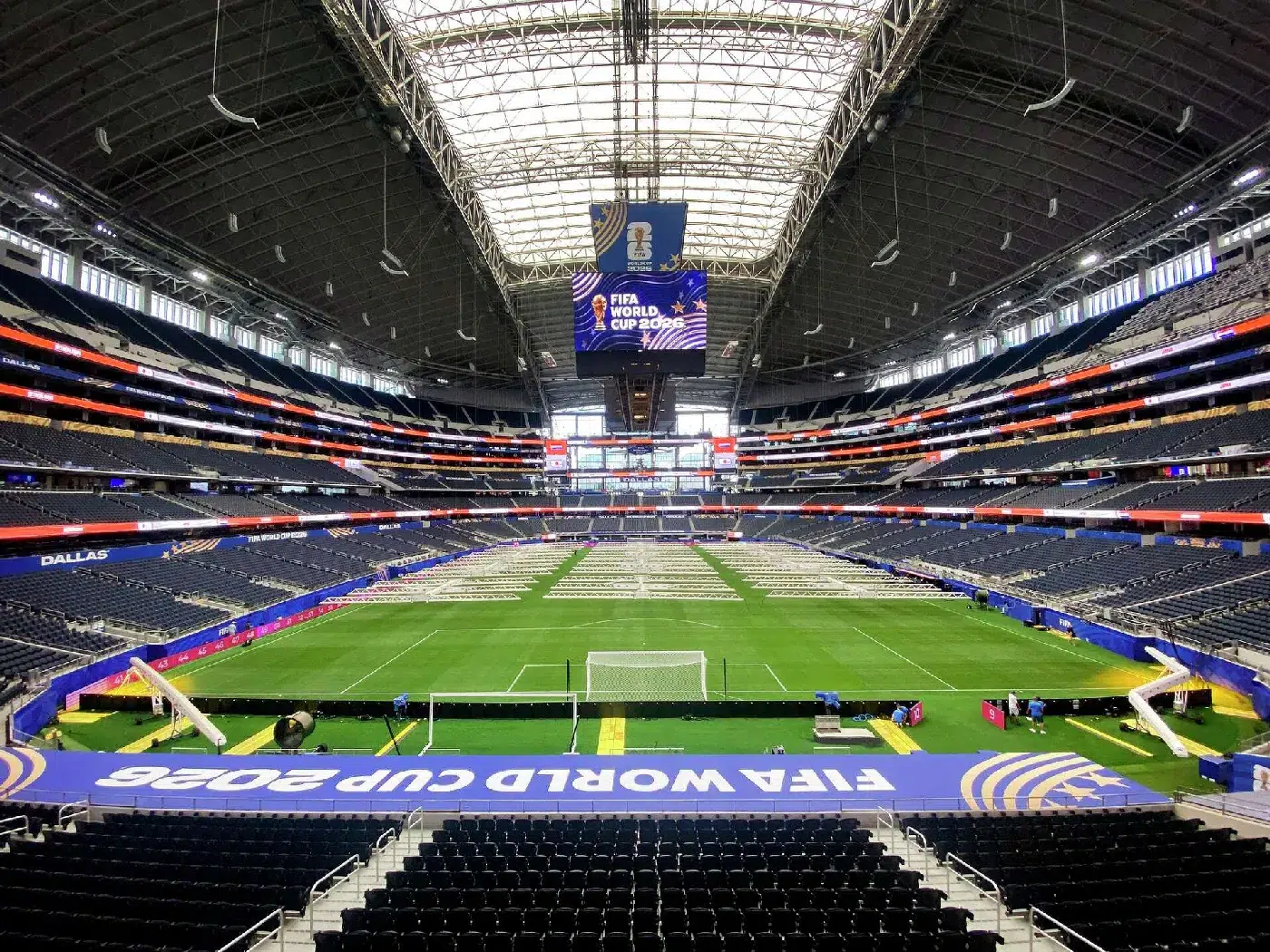
Dallas Stadium (AT&T) — 4 Suspended Screens for 93,000 Spectators
With 92,967 seats, AT&T Stadium is the largest stadium in the competition. Its $350 million renovation included a major upgrade of its four suspended HD video screens at the centre of the venue: two lengthwise screens (160 × 72 ft facing the touchlines), two widthwise screens (53 × 30 ft facing the goals), for a total display surface of nearly 4,000 m².
Boston Stadium (Gillette) — The Largest Outdoor Curved Screen in the United States
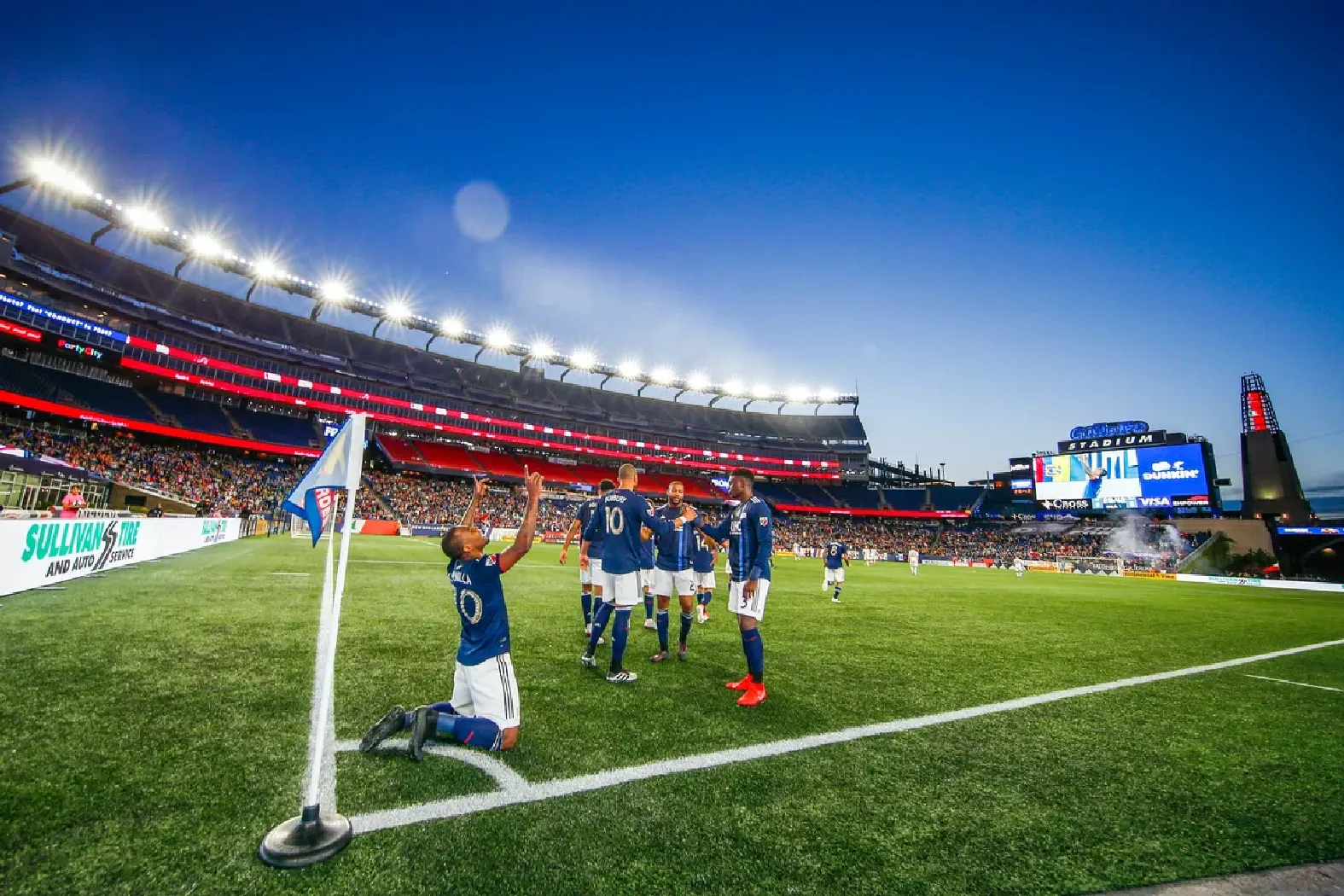
After a major renovation, Gillette Stadium now boasts the largest outdoor curved HD screen in the United States: 22,000 sq ft (~2,000 m²), its curve perfectly following the stadium’s architecture. In addition, 50,000 sq ft of hospitality areas were created and the entire broadcast infrastructure upgraded for international transmission.
New York NJ Stadium (MetLife) — The Final Venue
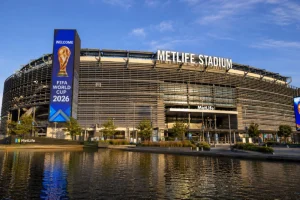
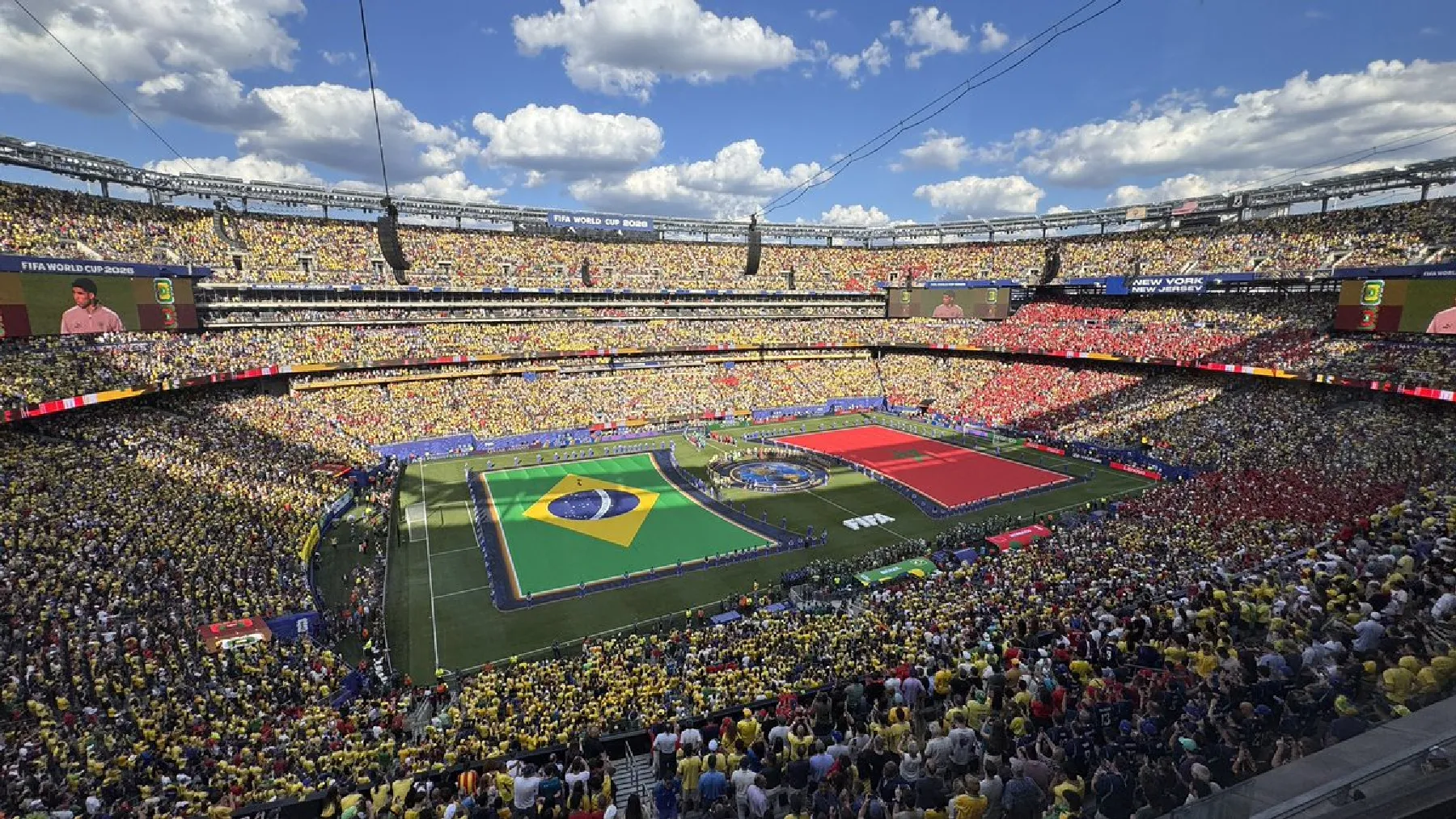
MetLife Stadium hosts the FIFA World Cup 2026 Final on 19 July. With 82,500 seats, it is the second largest stadium in the tournament. Its bowl architecture provides excellent sightlines for football, and its LED panels and fascias were upgraded to meet FIFA’s international broadcast requirements.
Miami Stadium (Hard Rock) — The Total Multi-Screen Experience
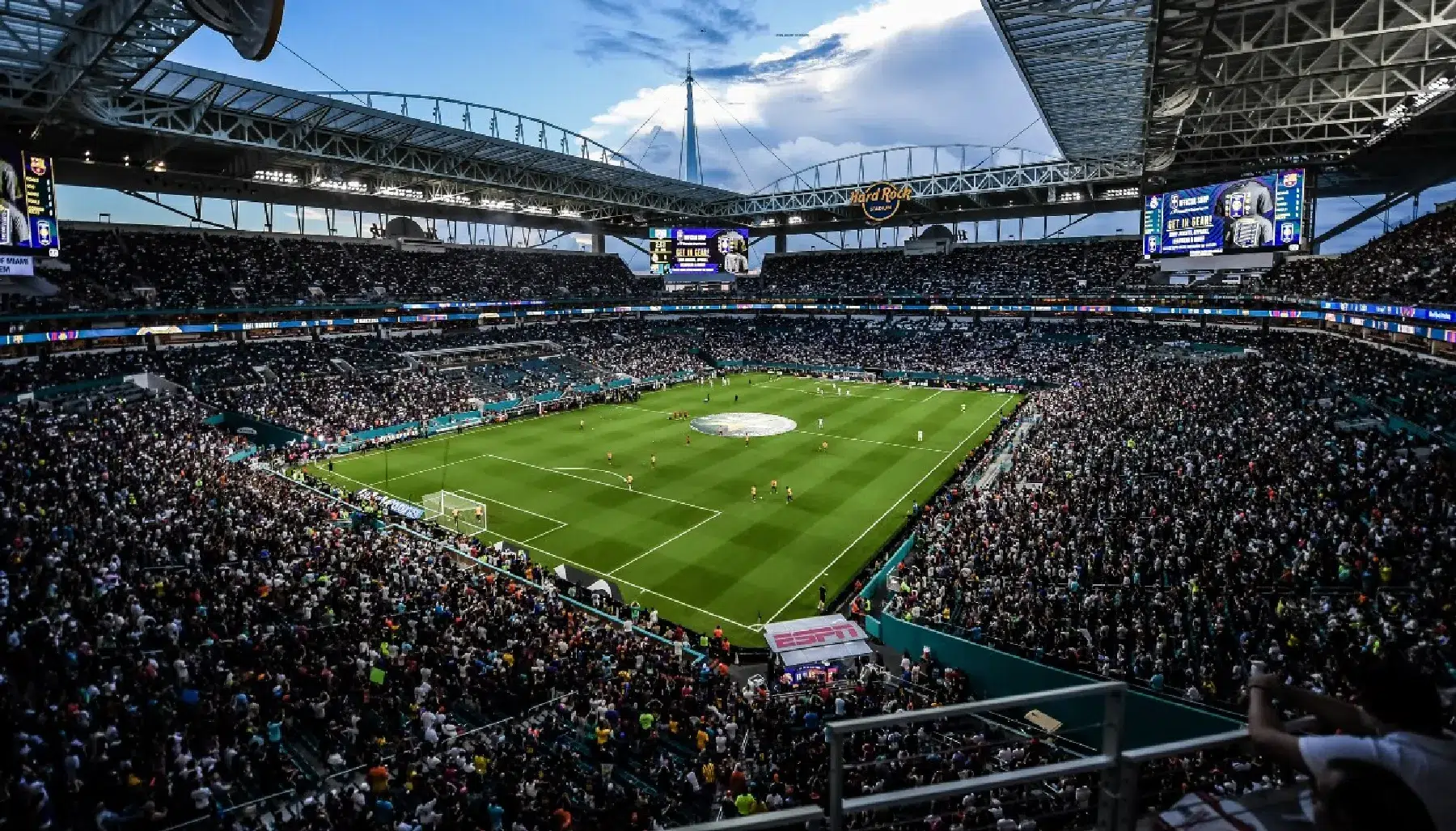
Hard Rock Stadium has made display density its identity: 4 HD video screens positioned at the stadium’s corners, complemented by over 2,000 flat-screen monitors distributed throughout — concourses, suites, corridors. Missing any of the action is simply impossible. The canopy covering the stands further amplifies the sound and visual experience. The stadium already proved its capabilities at Copa América 2024 and the FIFA Club World Cup 2025.
Houston Stadium (NRG) — Four-Sided Screens Under a Retractable Roof
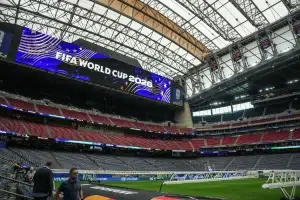
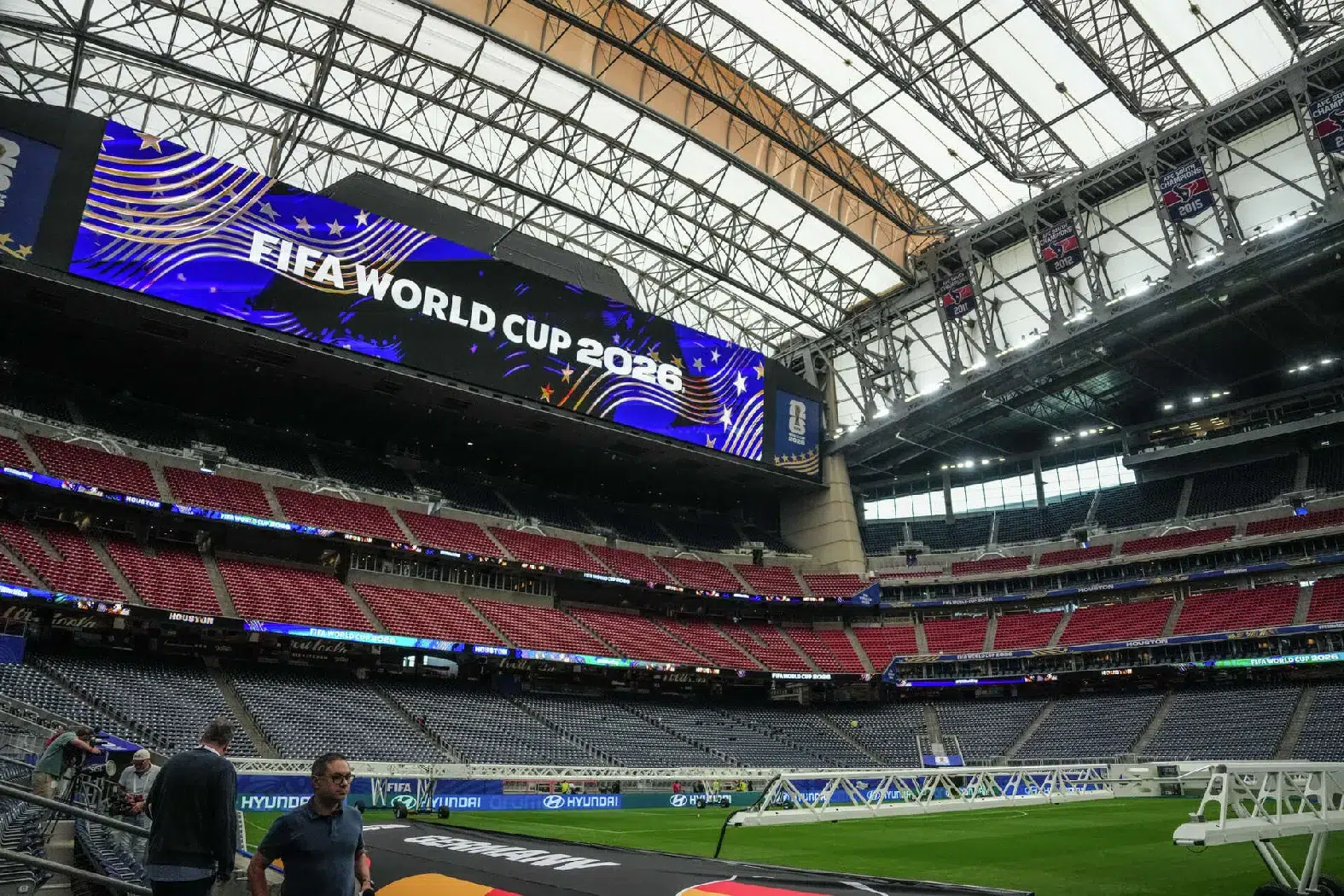
NRG Stadium features a retractable roof and HD video screens on four sides. Its LED fascias integrated at every stand level ensure perfect readability for all 68,311 spectators, wherever they are positioned in the venue. An ideal configuration for TV broadcast requirements in a covered environment.
Kansas City Stadium (Arrowhead) — The Legendary Chiefs Atmosphere
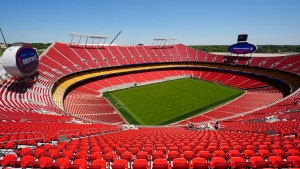
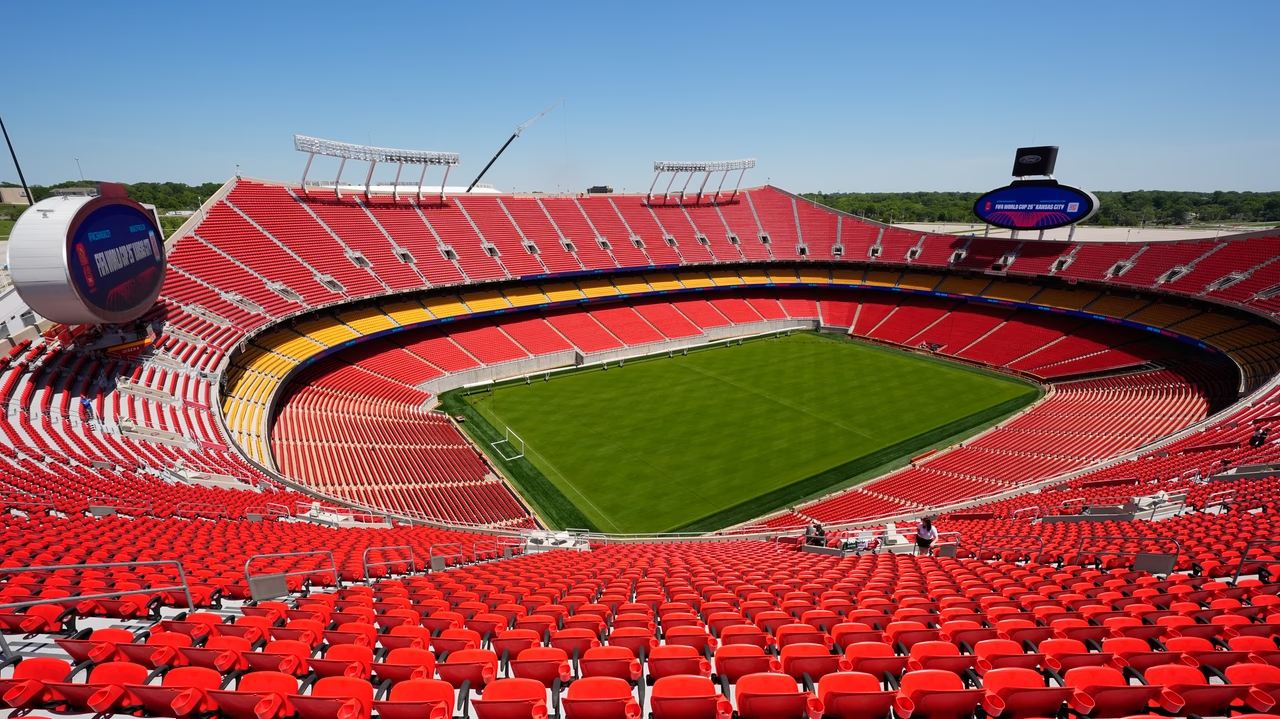
Inaugurated in 1972, GEHA Field at Arrowhead Stadium is an institution of American football. Regularly modernised, its suspended central screens and LED fascias were upgraded for 2026 to meet FIFA standards for image quality and signal latency.
Seattle Stadium (Lumen Field) — 2025 Modernisation
Lumen Field benefited from a $19.4 million modernisation programme specifically designed for the 2026 World Cup: upgraded HD screens in the stands, updated LED fascias, security improvements, new welcome areas and seat standardisation to meet FIFA requirements.
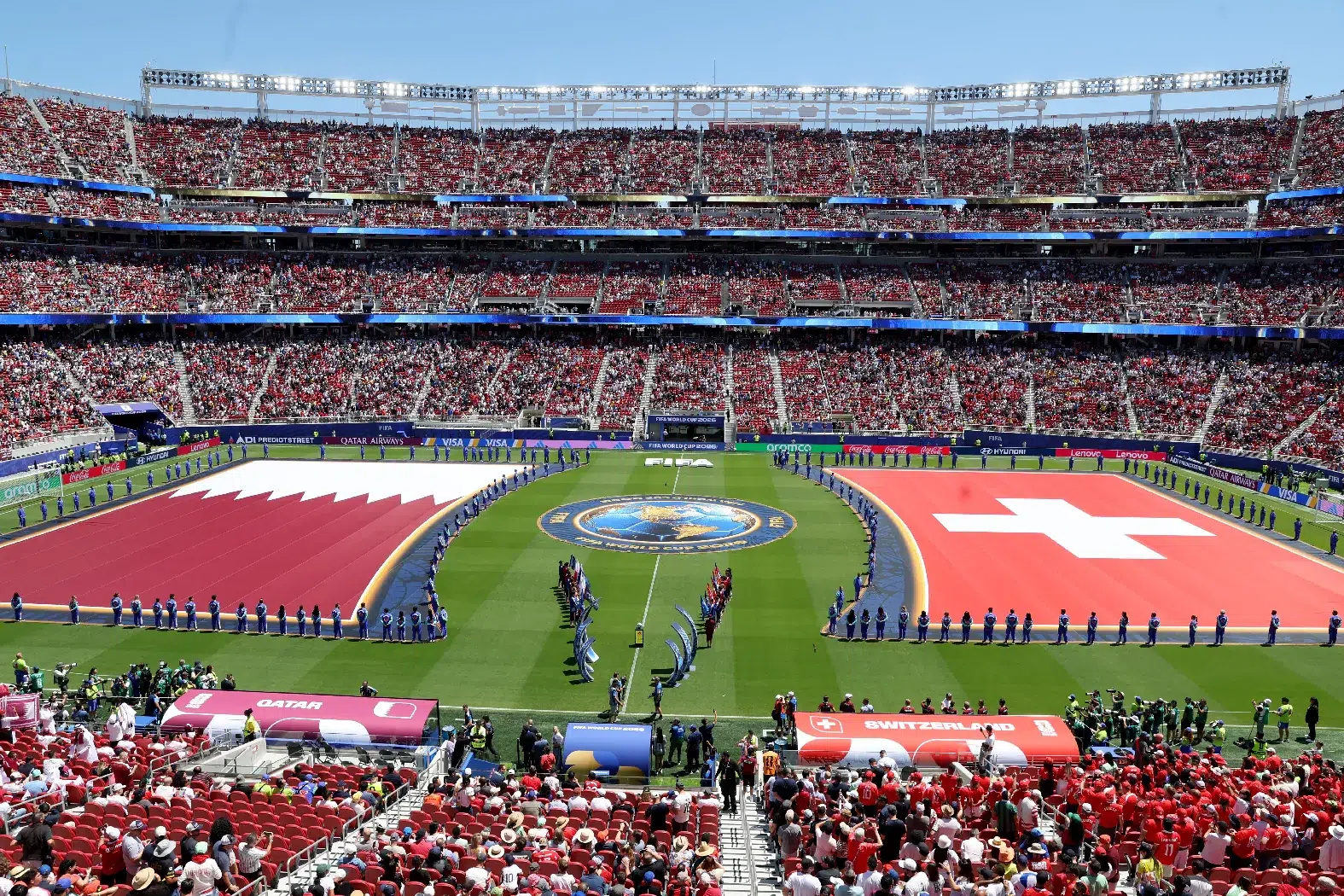
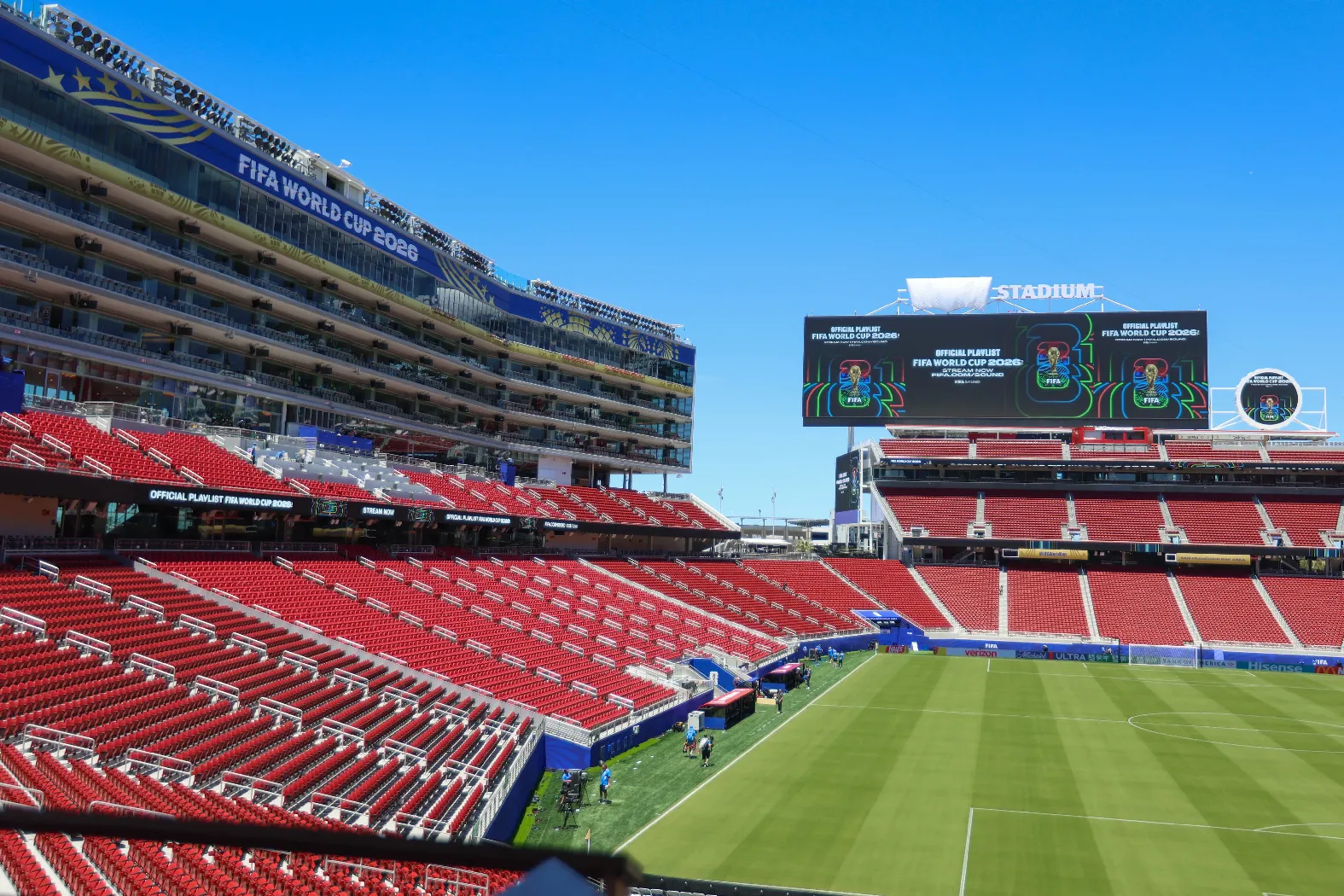
San Francisco Stadium (Levi’s) — LED Performance and Sustainability
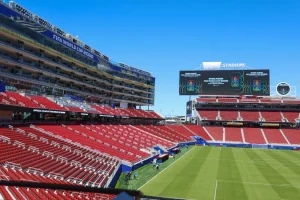
Levi’s Stadium combines environmental ambition with technological excellence: rooftop solar panels, optimised water management, and high-performance LED video panels that make it one of the greenest and most connected venues in the tournament. It hosts 6 matches, including a quarter-final.
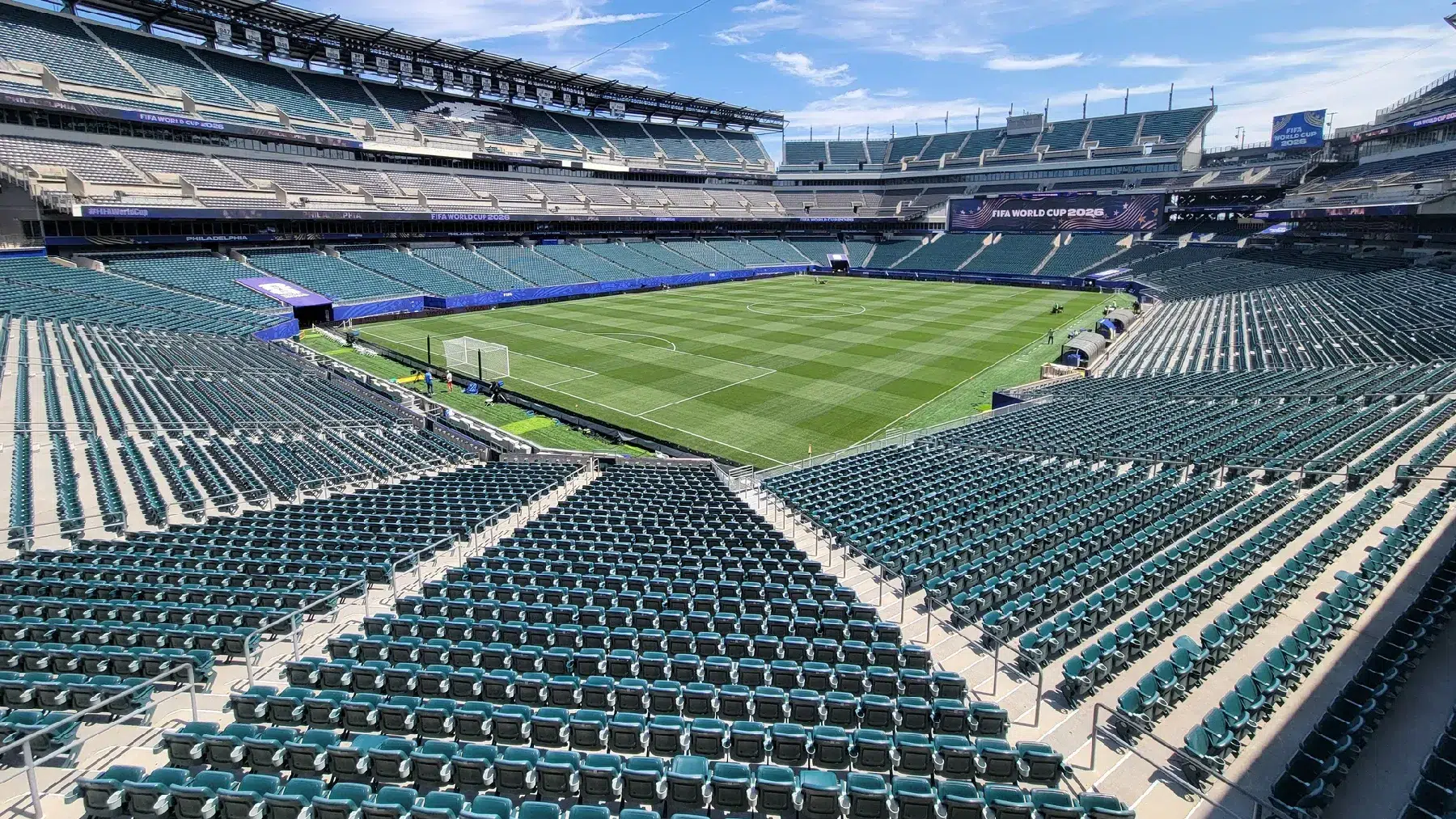
Philadelphia Stadium (Lincoln Financial Field) — Renovated High Resolution
Lincoln Financial Field underwent a video system renovation, installing high-resolution LED screens among the most powerful in the tournament. Its open architecture, well-suited to outdoor broadcasting, makes it particularly adapted to the demands of global television production.
Your Stadium Deserves the Best in LED Technology.
The Stramatel team analyses your architectural constraints, functional requirements and budget to propose the most suitable solution for your project.
FAQ — Your Questions About LED Video Display in Football Stadiums
What is the difference between a giant LED screen and an LED fascia board?
The giant screen (or video cube) is the main display device — usually positioned at the back of a stand or suspended at the centre. The LED fascia (or ribbon board) is a continuous peripheral banner, integrated between stand levels. The two are complementary: the screen broadcasts live footage and replays, the fascia provides continuous information (score, advertising, animations) to all spectators regardless of their viewing angle.
What are the FIFA standards for LED screens in professional football stadiums?
FIFA sets precise criteria: screen positioning (outside areas that could interfere with players), minimum brightness compatible with TV broadcasting, image refresh rate, and signal processing latency. Stramatel integrates all of these regulatory requirements from the very first phase of each project’s design.
Can a jumbotron video cube be installed in a municipal or semi-professional football stadium?
Yes, solutions exist for all types of venues. Large suspended cubes require appropriate roof infrastructure, but pitch-side LED video towers and mast-mounted giant screens deliver the same visual performance without major structural work. Stramatel sizes each project according to the stadium’s actual configuration.
How much does it cost to install a giant LED screen in a football stadium?
The budget varies depending on the display surface (in m²), pixel pitch (resolution), installation conditions and software options. Stramatel systematically produces a personalised budget study before making any proposal. Contact our team for a quote tailored to your project and your venue.
Does Stramatel work only in France or also internationally?
Stramatel supports projects in France and internationally. Our teams cover the entire process: consultancy, manufacturing, installation, operator training and technical support after commissioning.